Opening reception: Saturday, 31 January 2026, 3–5 pm
Introduction at 4 pm by Florian Ebner, Head of the Photography Department, Centre Pompidou, Paris
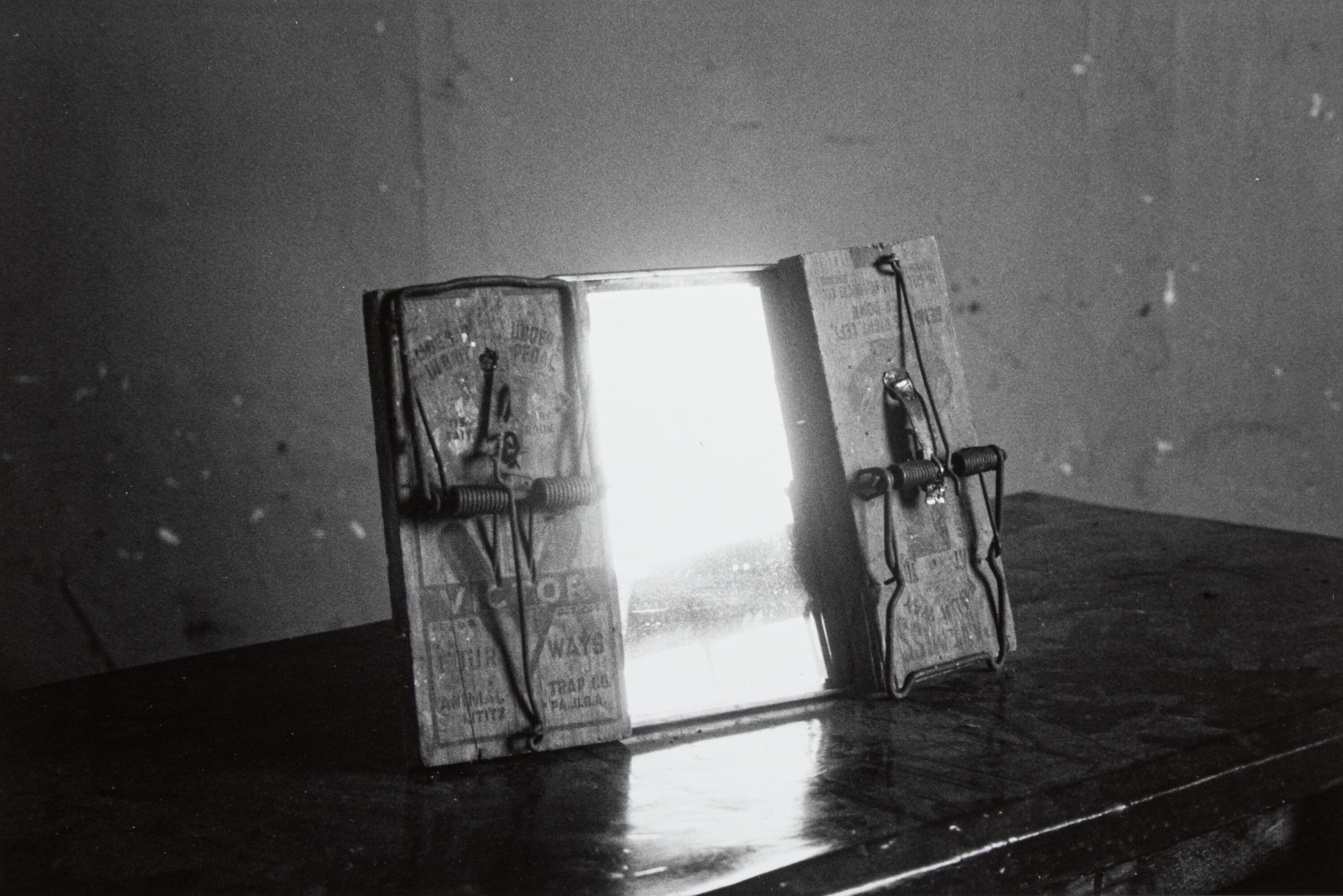
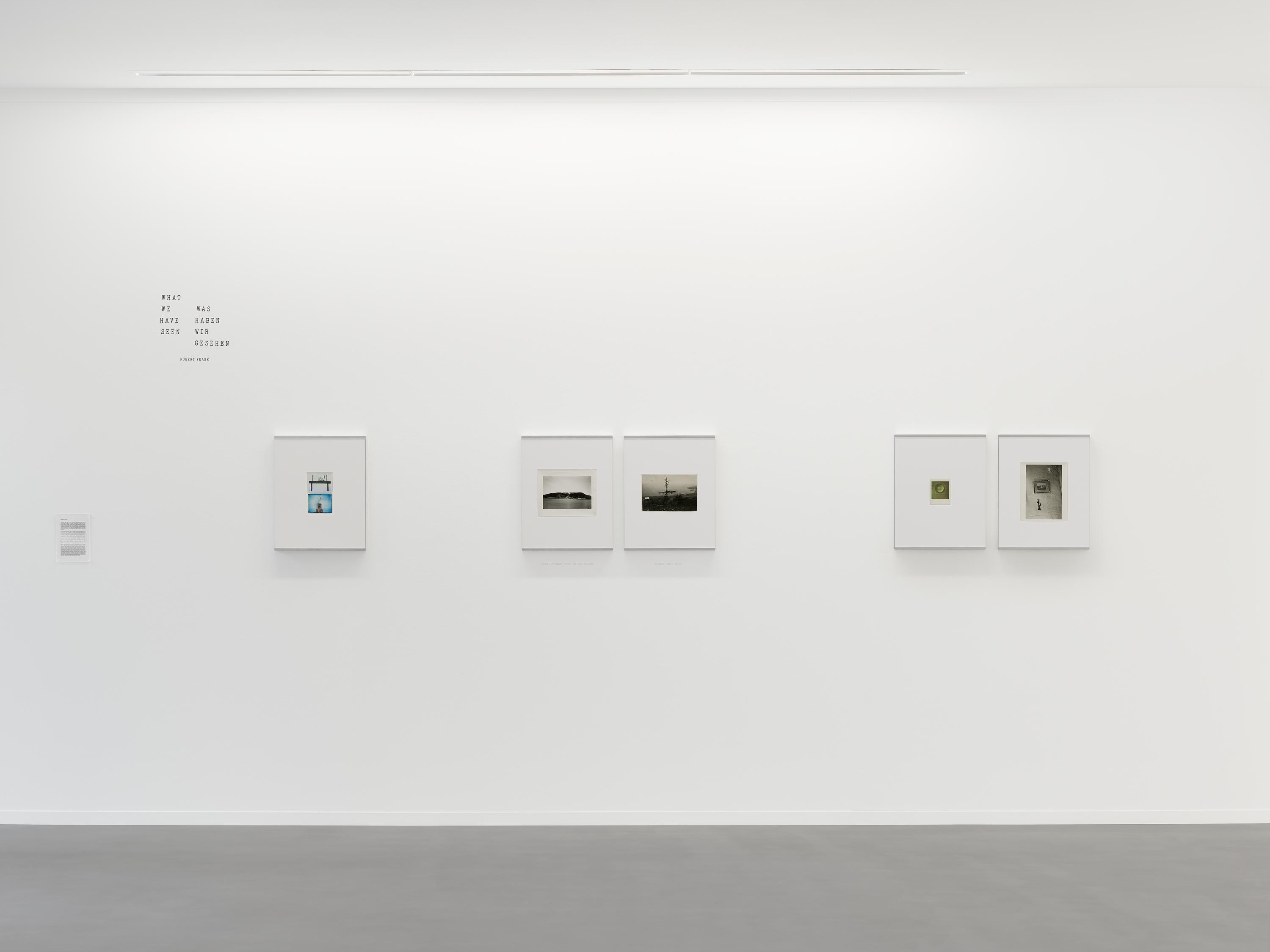
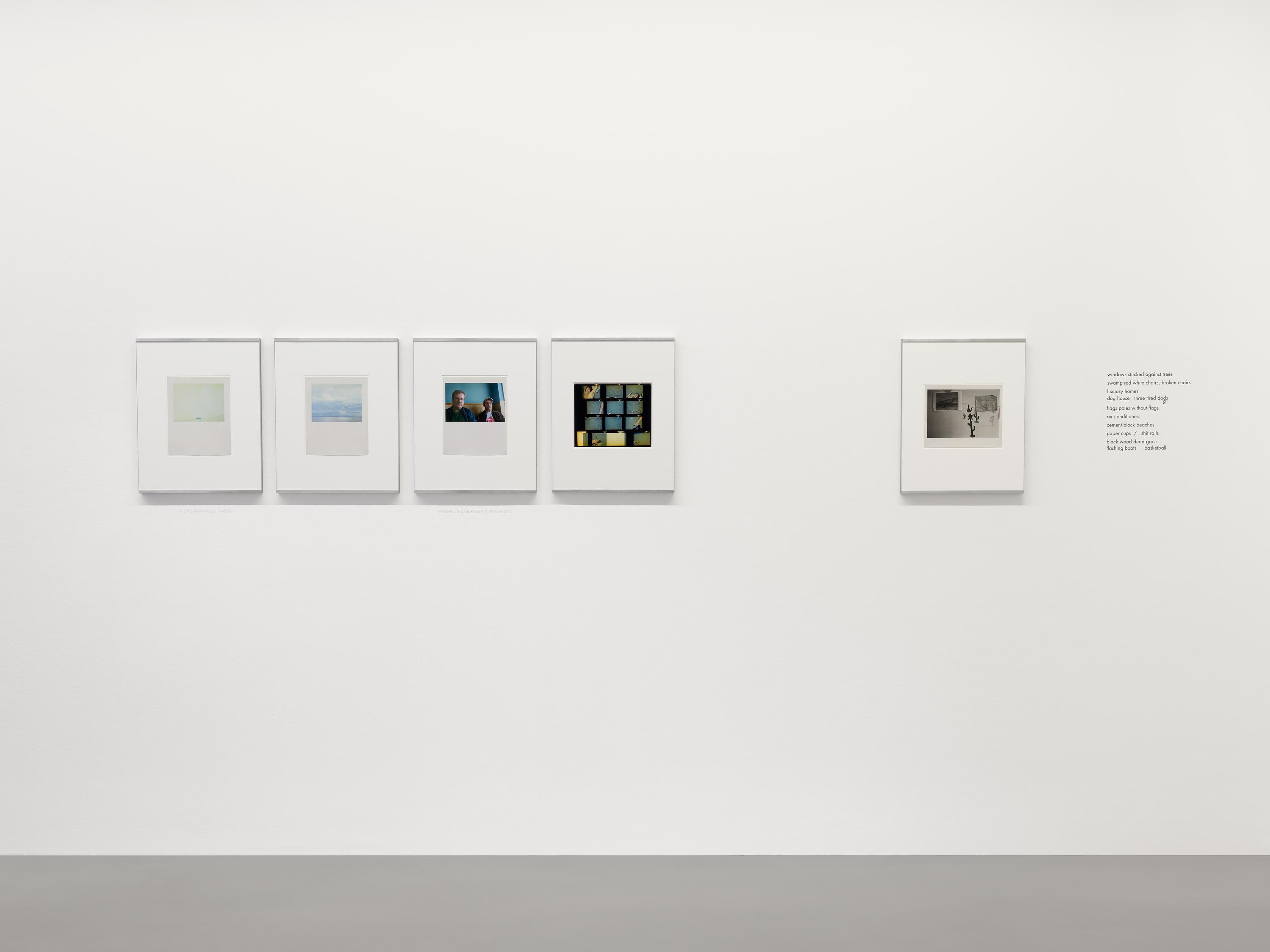
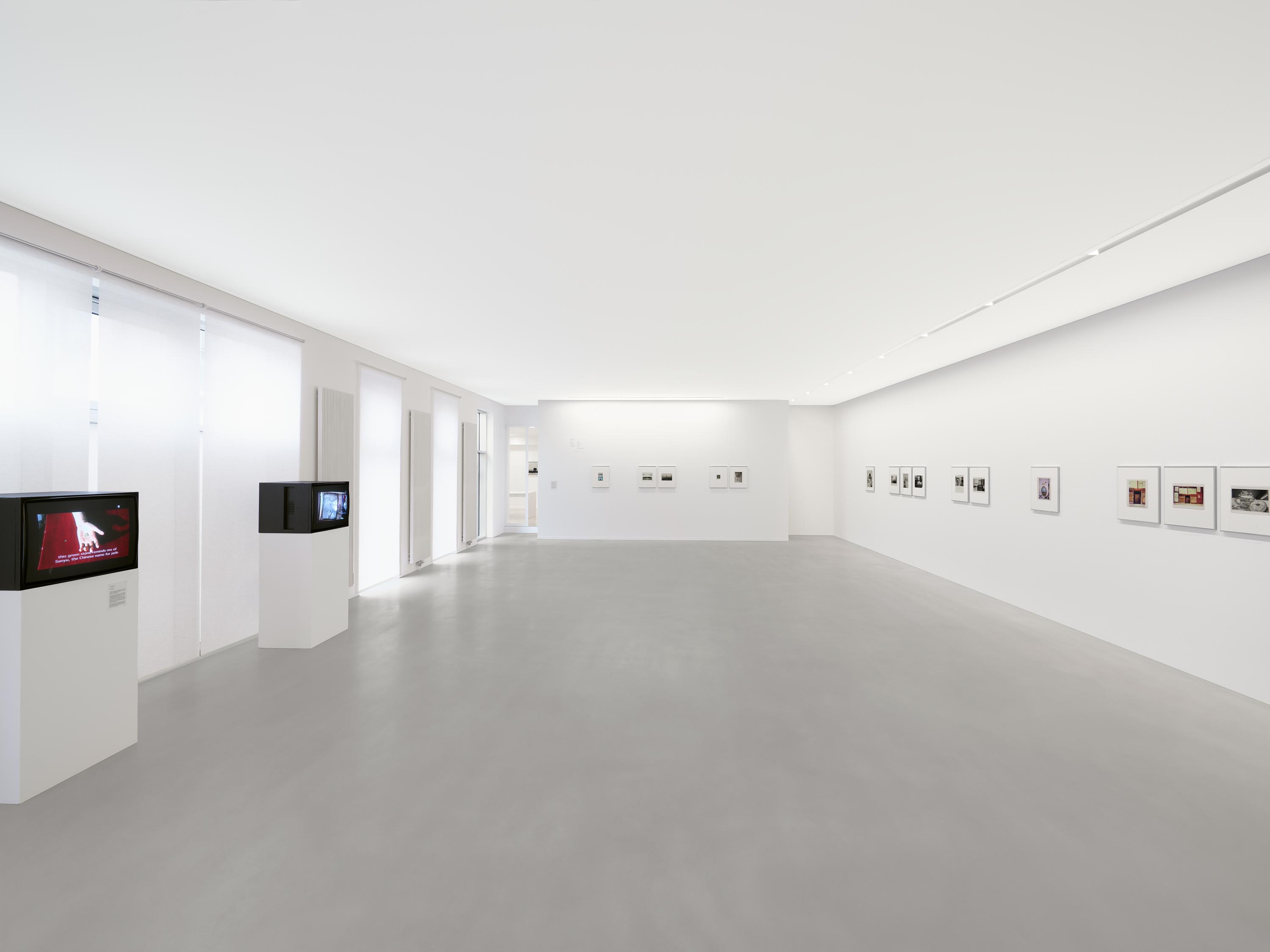
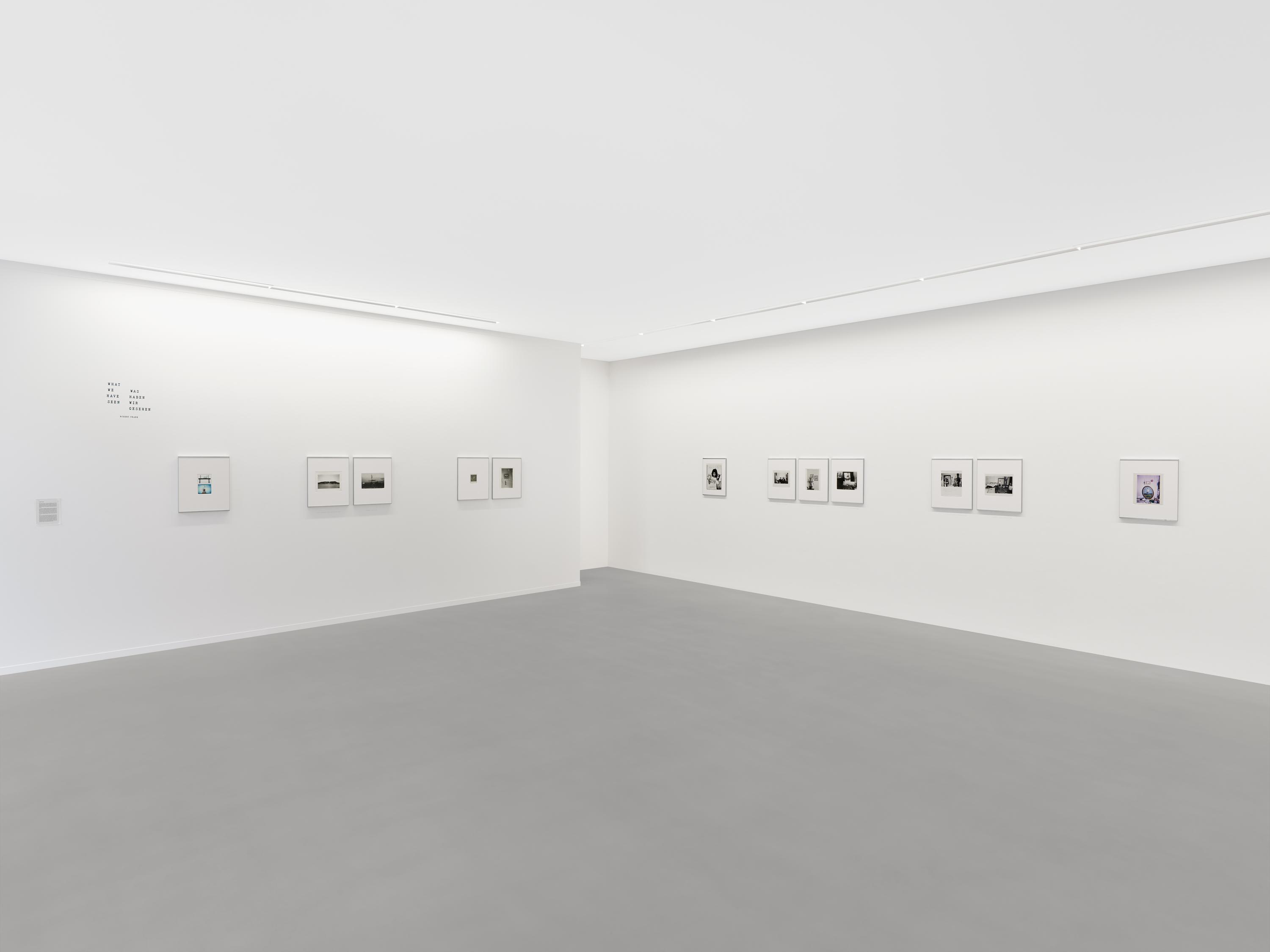
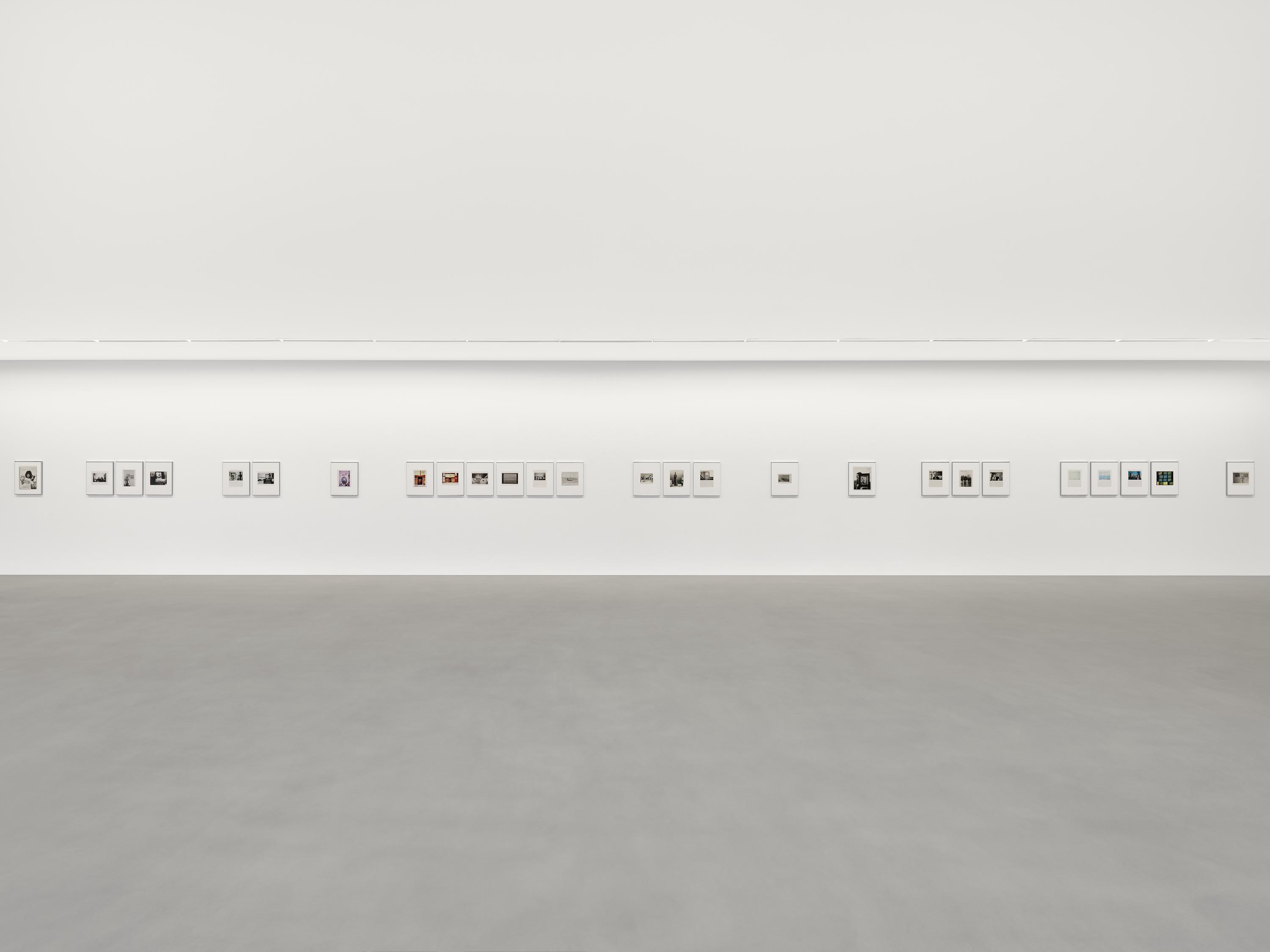
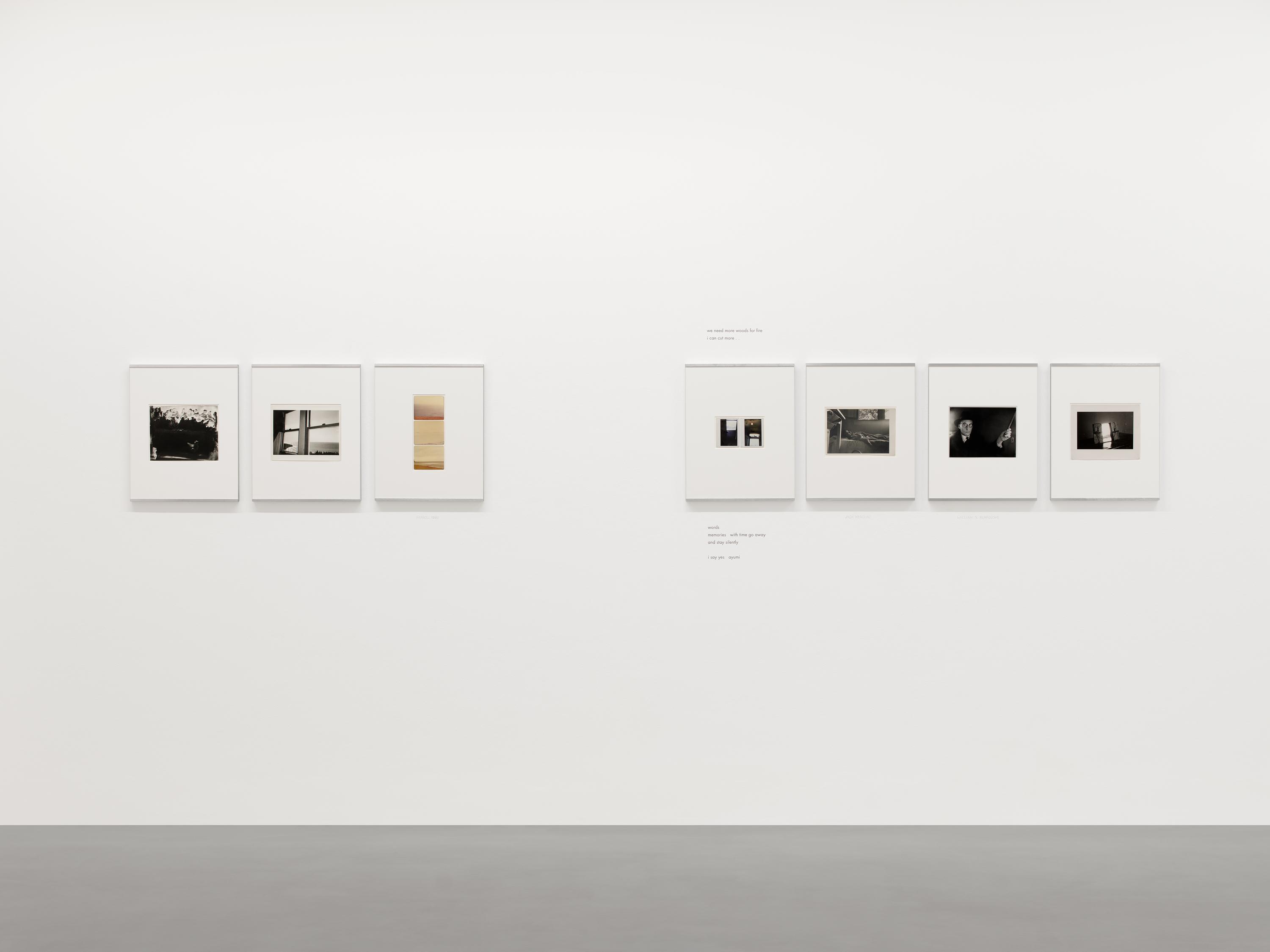
Zander Galerie is pleased to announce an exhibition that brings to life the visual narrative of What We Have Seen, drawing from Robert Frank’s celebrated series of visual diaries. The exhibition presents images and fragments of memory from across his long and multifaceted life arranged according to the artist’s original maquette. Complementing the presentation are two of Frank’s films, which extend the work’s autobiographical and associative approach. This is the third exhibition of Frank’s work at Zander Galerie, following The Americans – A Closer Look in Cologne, which coincided with the centenary of Frank’s birth, and Flower Is in Paris in 2024. Realized in close collaboration with the Robert Frank Foundation, the exhibition reconstructs the image sequence as conceived by the artist.
What We Have Seen / Was Haben Wir Gesehen was published by Steidl in 2016 and belongs to Robert Frank’s late group of photobooks that function as visual diaries. The work brings together photographs, fragments, handwritten words, and recurring motifs, moving between different times and places in Frank’s life. Rather than following a linear narrative, the presented sequence unfolds as a rhythm of memory and perception. Images of friends and family, everyday surroundings, travel, and loss are interwoven with textual elements and repetitions, emphasizing the act of looking back and the passage of time. The maquette Frank carefully constructed between 2014 and 2016 reveals a visual composition shaped as much by sequencing, intervals, and echoes as by the individual images themselves.
The exhibition also presents two of Frank’s films: The Present (1996) and Sanyu (1999). The Present is an intimate video diary filmed in Frank’s domestic surroundings in New York and Nova Scotia, blending off-camera monologue with everyday observations, memories of his children, and moments of departure. Sanyu traces the life and work of Frank’s friend, the painter San Yu, whose work was rediscovered decades after his death. Moving between Paris and Taipei, the film interweaves documentary fragments, correspondence, and staged sequences. Together, the films share with What We Have Seen a fragmentary, autobiographical approach, in which questions of memory, loss, and the act of looking are articulated through open structures rather than linear narratives.
Robert Frank (1924–2019) is one of the most influential artists in the history of photography. Born in Zurich, he emigrated to the United States in 1947 and transformed photographic language with The Americans (1954–1957), a work that challenged aesthetic and social conventions through its subjective, fragmentary, and deeply personal vision. Frank consistently moved beyond documentary photography, embracing ambiguity, imperfection, and the photobook as a central artistic medium. What We Have Seen is presented within the context of Frank’s broader oeuvre, highlighting his commitment to the photobook and his influence on generations of photographers and visual artists. His work helped shape modern photography and broadened perceptions of the medium’s possibilities, establishing him as a pivotal figure in both photographic history and contemporary art.
The recent centenary exhibition Life Dances On: Robert Frank in Dialogue at the Museum of Modern Art, New York, offered a comprehensive view of Frank’s work across media and decades. His achievements include two Guggenheim Fellowships, the Hasselblad Award, honorary doctorates from the University of Gothenburg and the Nova Scotia College of Art and Design, Halifax, and the MacDowell Medal.
His work is held in the collections of major museums worldwide, including National Gallery of Art, Washington D.C.; Museum of Fine Arts, Houston; Museum of Modern Art, New York; Addison Gallery of American Art, Andover; Metropolitan Museum of Art, New York; Art Institute of Chicago; Whitney Museum of American Art, New York; George Eastman House, Rochester; San Francisco Museum of Modern Art; National Gallery of Canada, Ottawa; Centre Pompidou, Paris; Tate Modern, London; Victoria and Albert Museum, London; and Museum Folkwang, Essen.
Press release (German)