Opening: Saturday, 30 May 2026, 3-6pm
Introduction by the artist at 4pm.
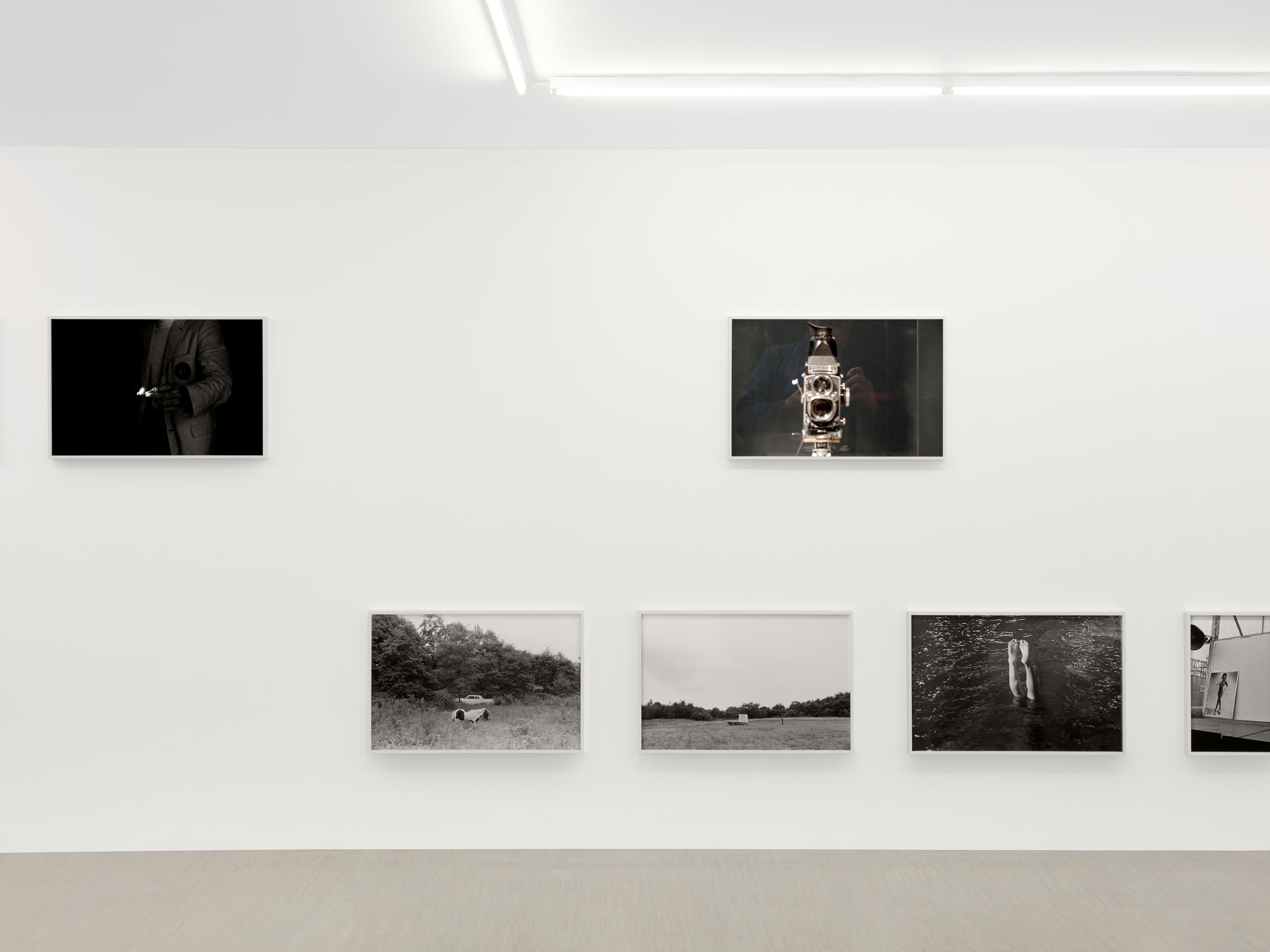
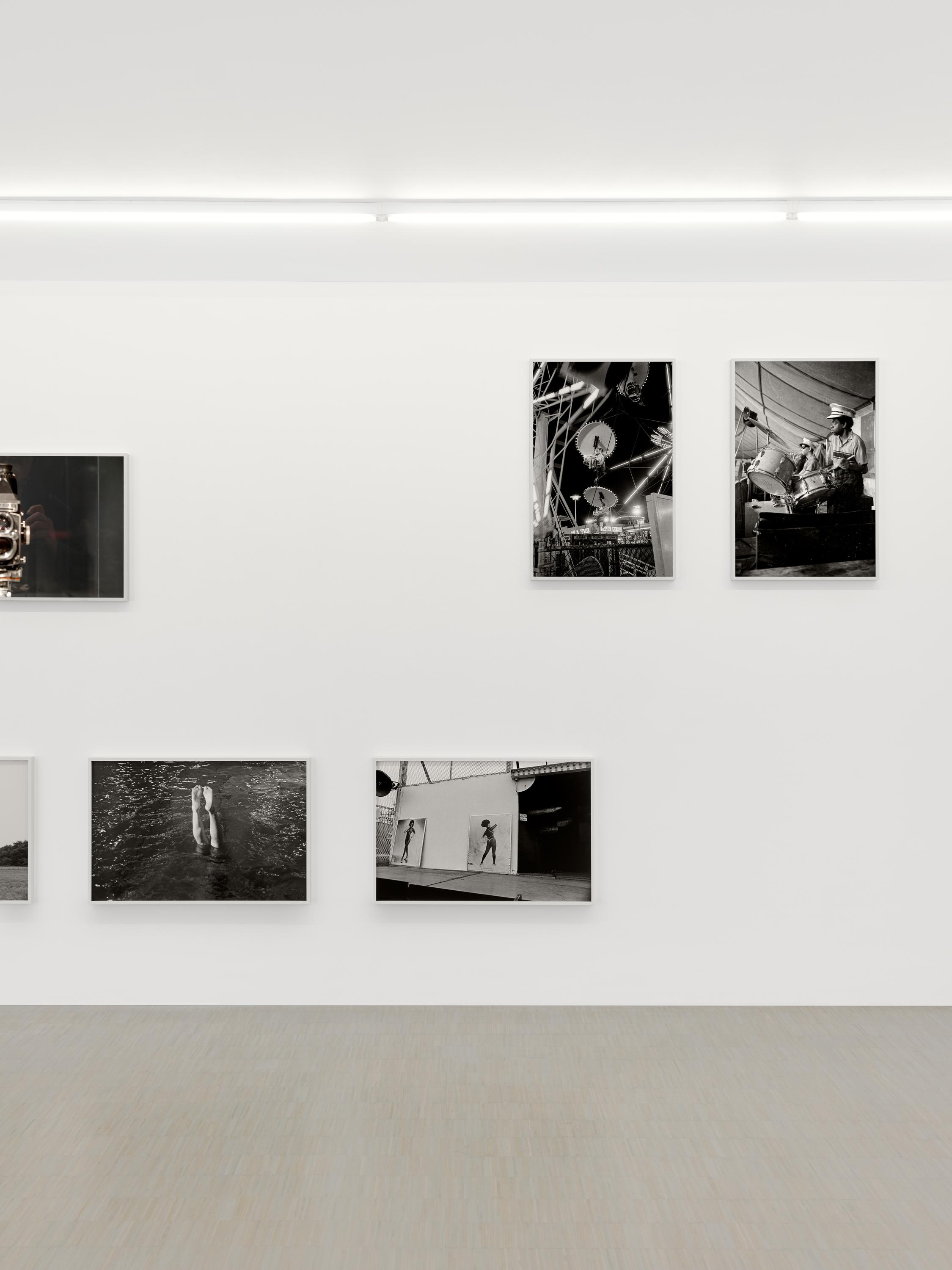
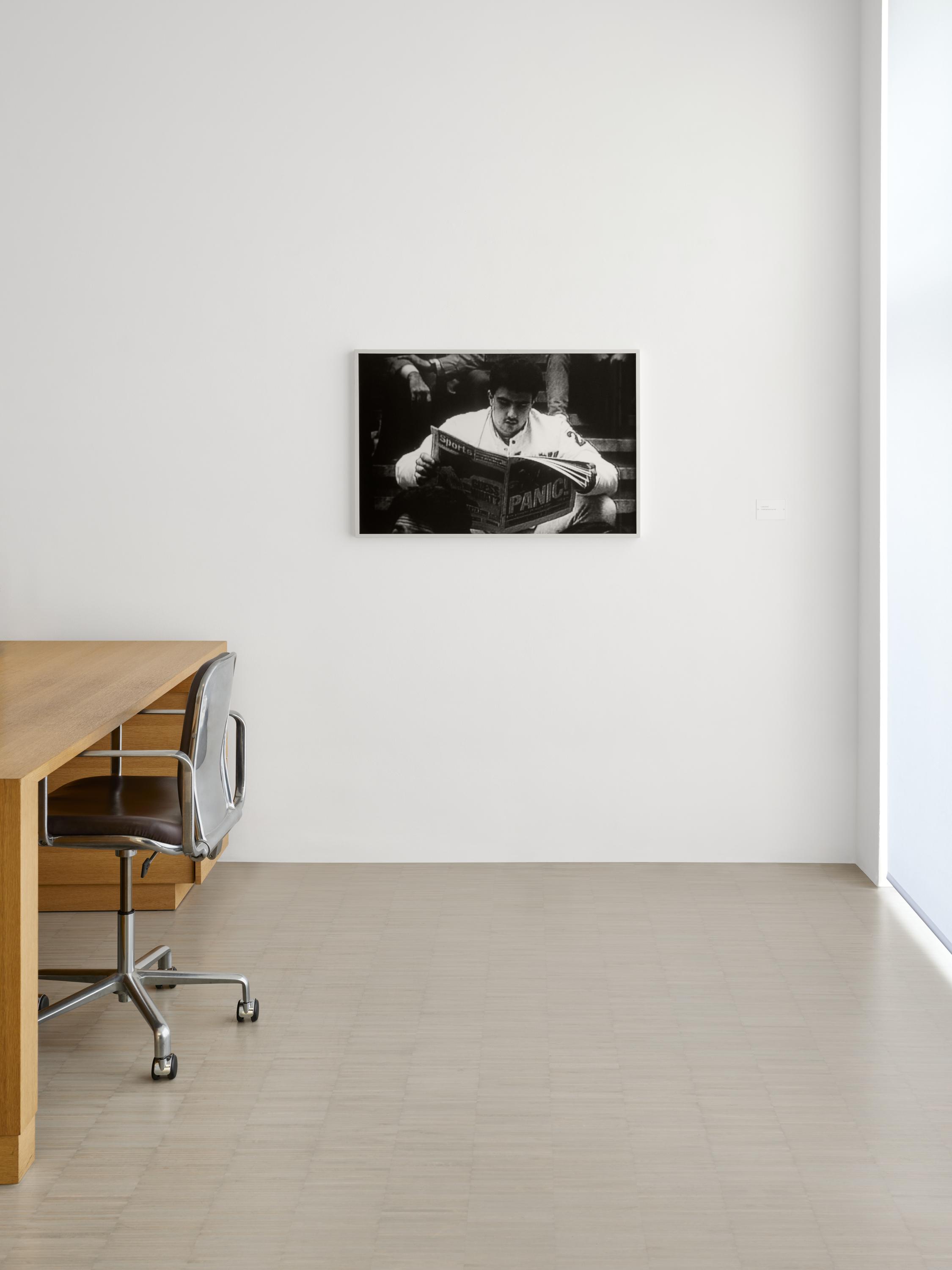
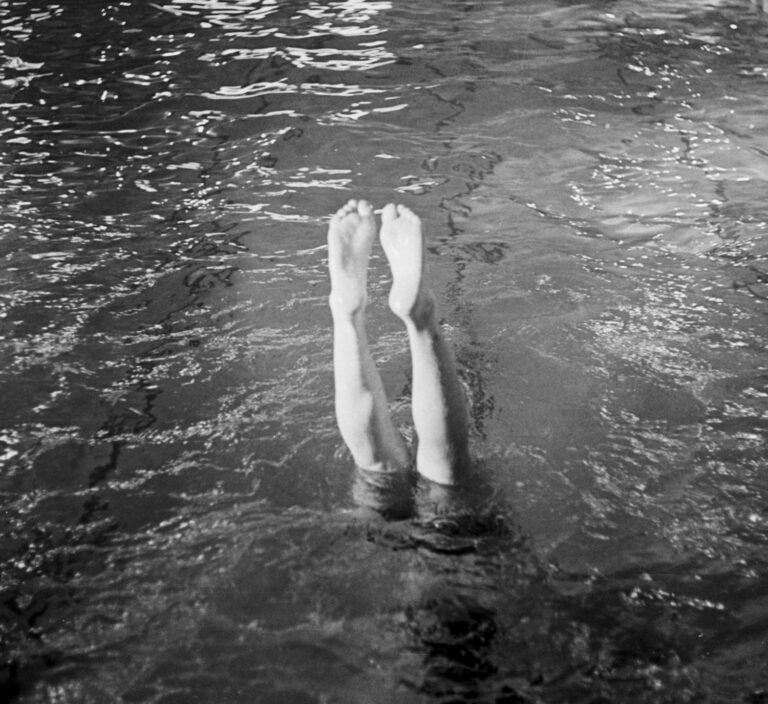
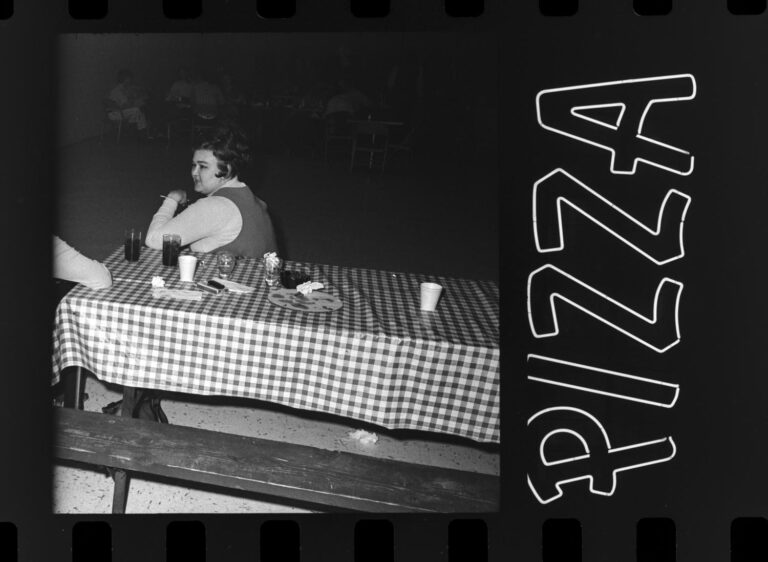
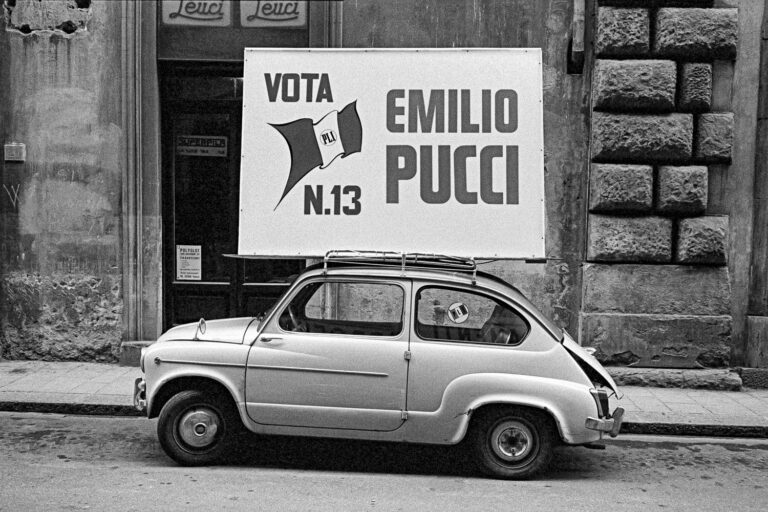
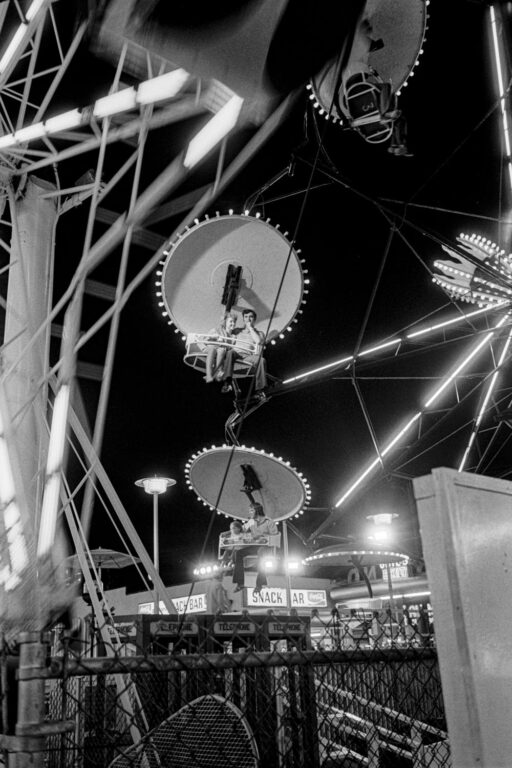
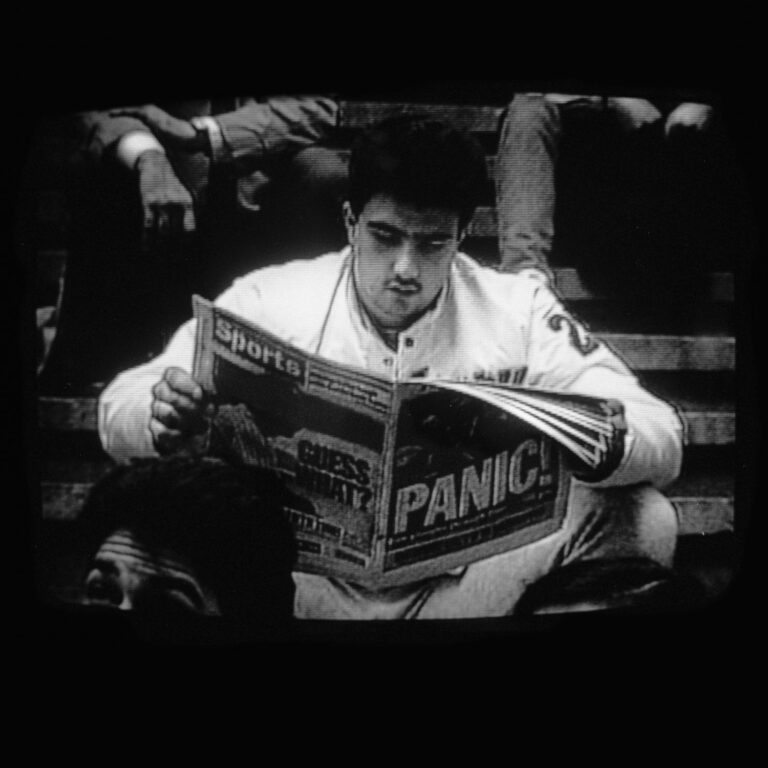
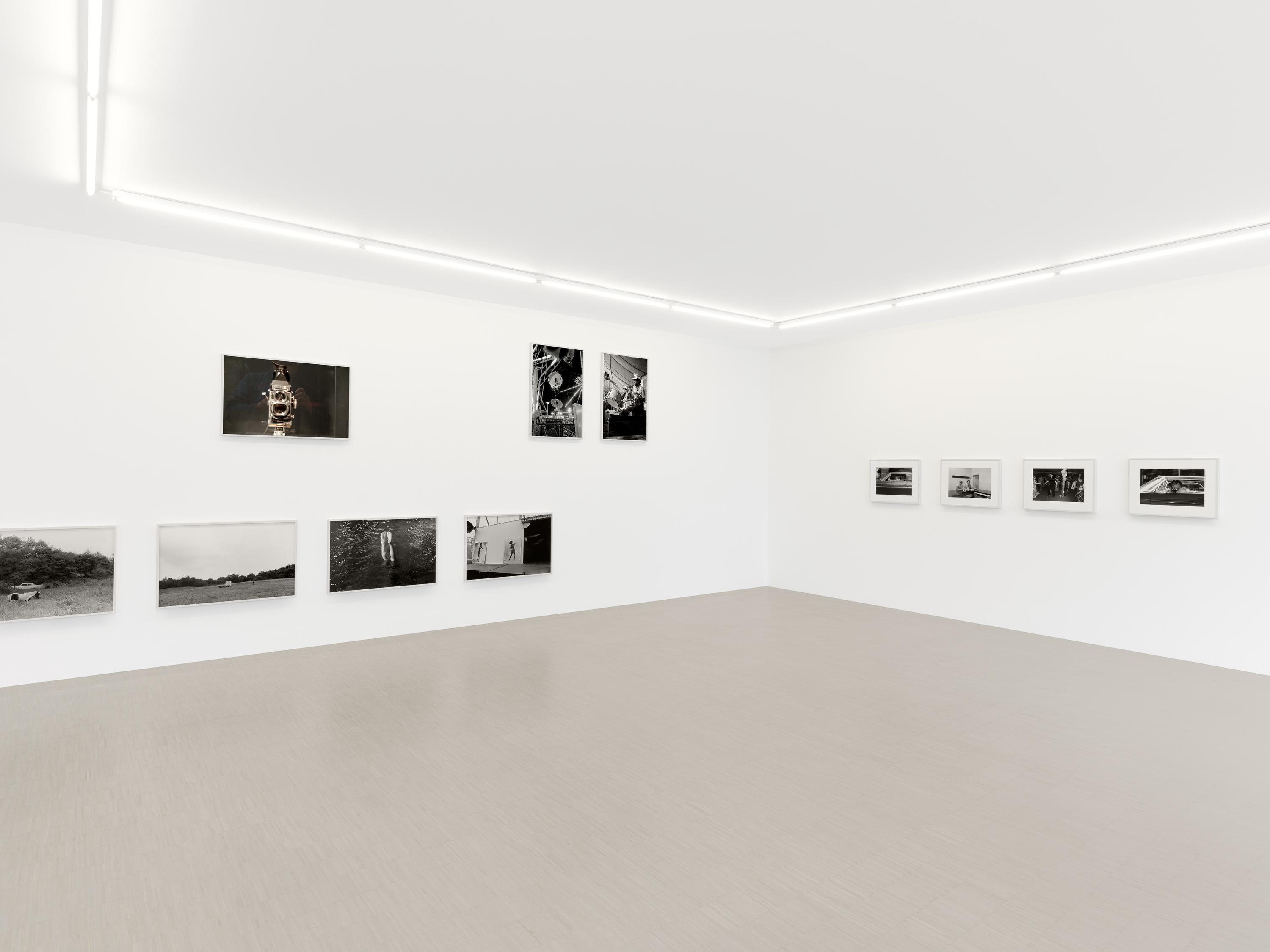
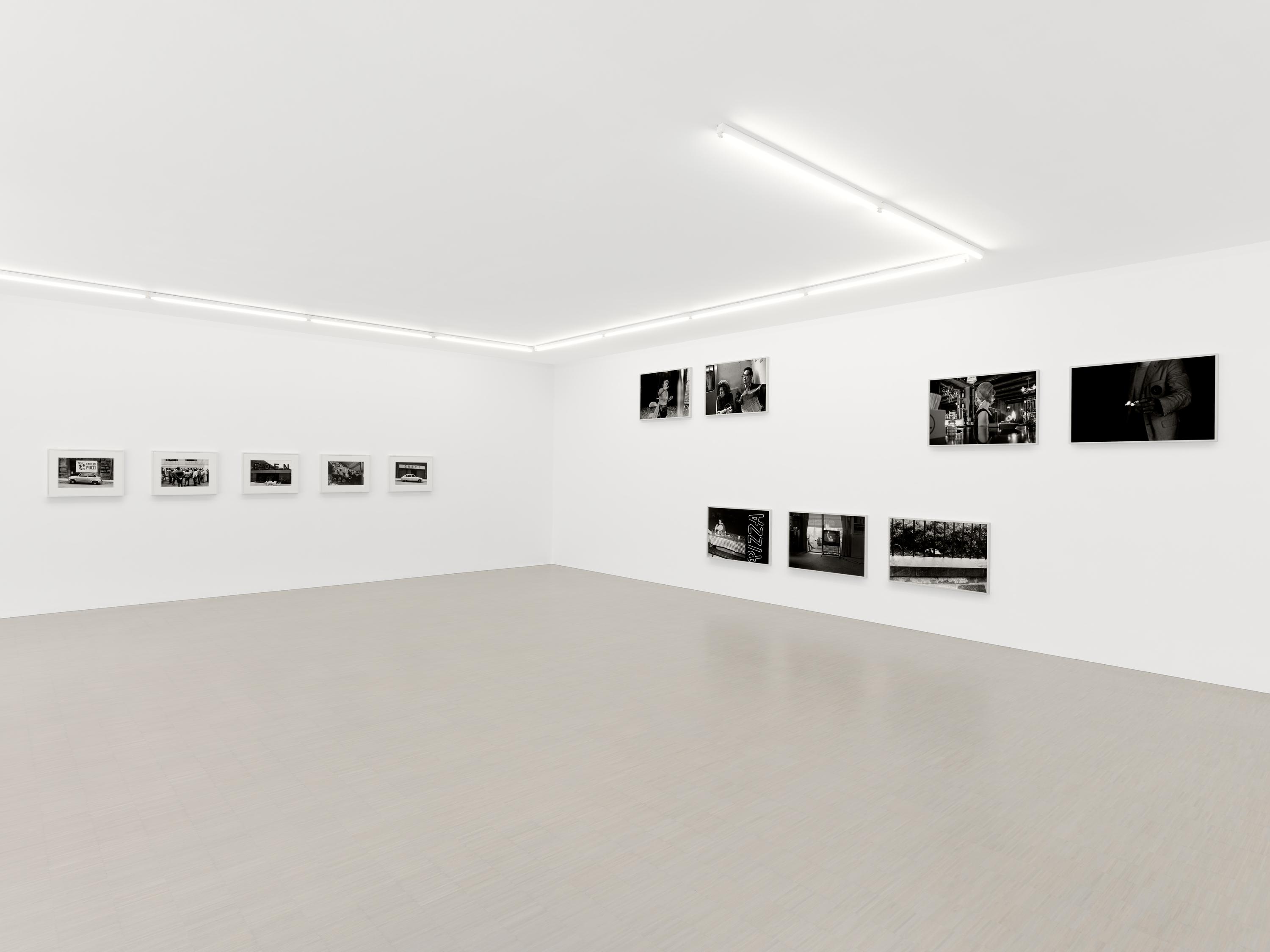
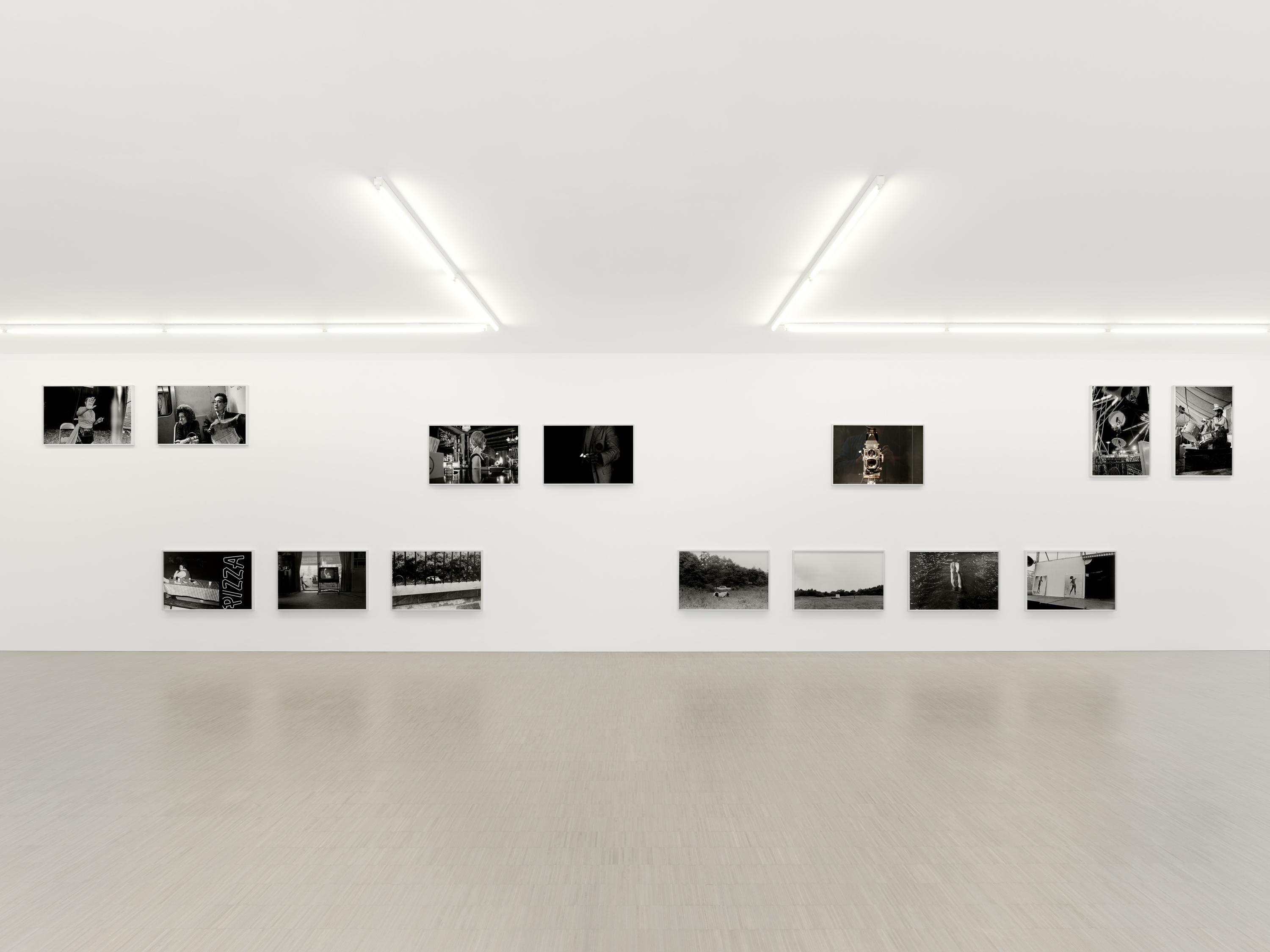
Zander Galerie is pleased to present the first solo exhibition of photographs by Clark Winter in Germany. The selection of black-and-white images, focusing mainly on the 1970s and a few later works, ranges from fleeting glances and gestures to everyday objects and specific atmospheres of place. Whether observing the particularities of urban and rural environments in 1970s America or the slow-paced rhythms of Southern European life, Winter’s photographs articulate a perceptive form of open-ended visual storytelling.
Clark Winter’s approach is observational and receptive. The artist is alert to the human theater in front of him, familiar with the shapes of vernacular architecture, sensitive to the lyrical quality inherent in his pictures, and conscious of the traditions of his medium. Influences from Walker Evans, Lee Friedlander, and others from the generation of American photographers who preceded him can be traced throughout his work.
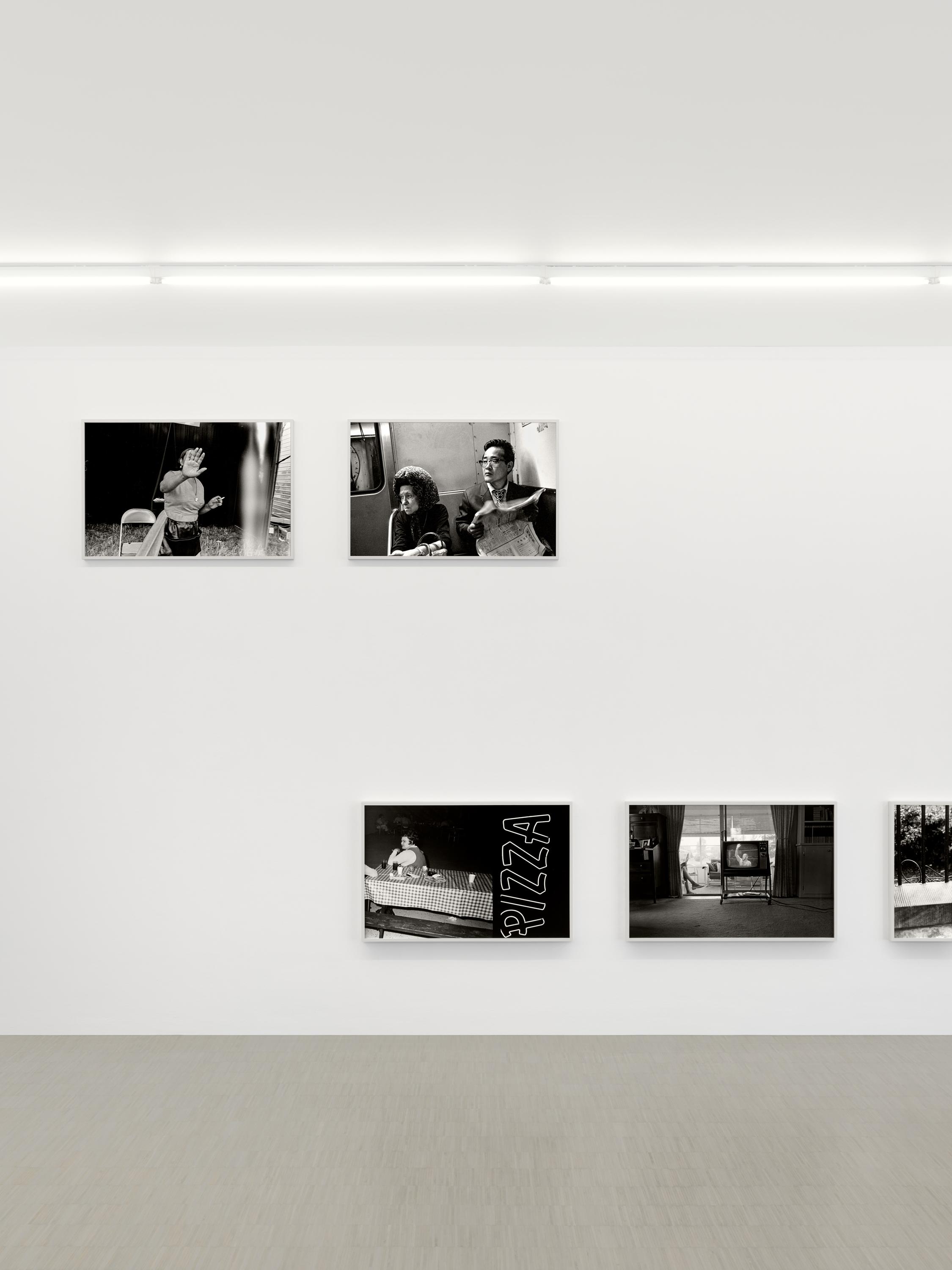
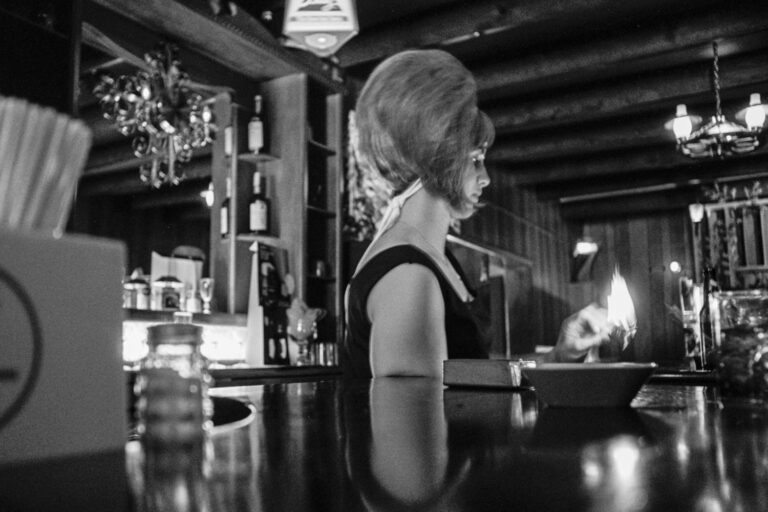
Above all, the images celebrate the visual experience itself, which seems to have electrified the young photographer, then in his twenties. Winter was in college in Ohio when he took the first of these photographs, exploring the surrounding farm country and later traveling the world. At the core, many of his earliest works are about looking: we see instantaneous portraits of people looking at something or someone, even if the subject of their gaze might not always be visible. They are in a bar, on the subway, in the street, at the carnival. The lines of sight establish the geometry of the image and set in motion a dynamic of relations. The nature of these relations, however, often remains ambiguous to the viewer. In this regard, the clarity of Winter’s composition makes the ambiguity of meaning all the more arresting, at times quietly absurd.
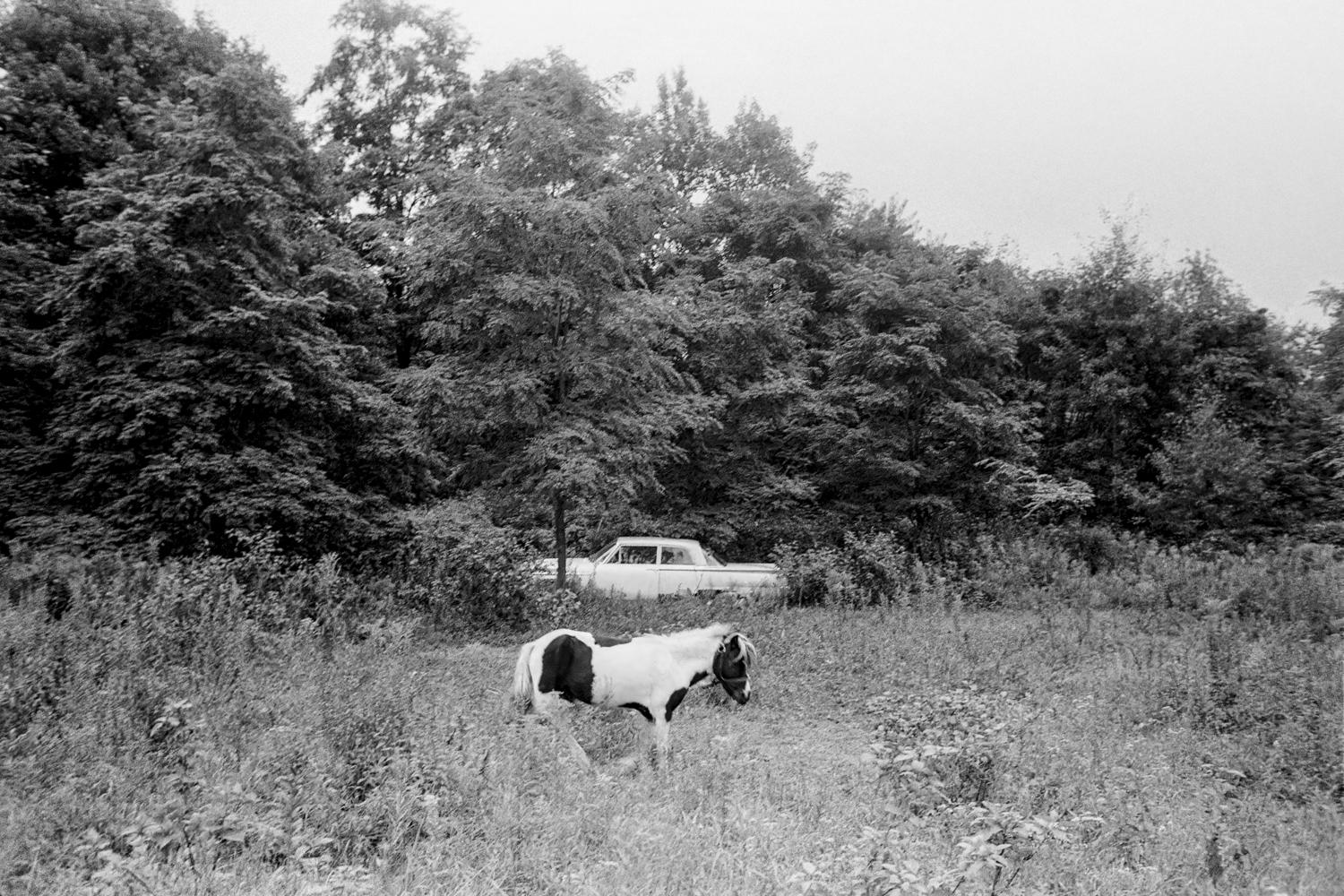
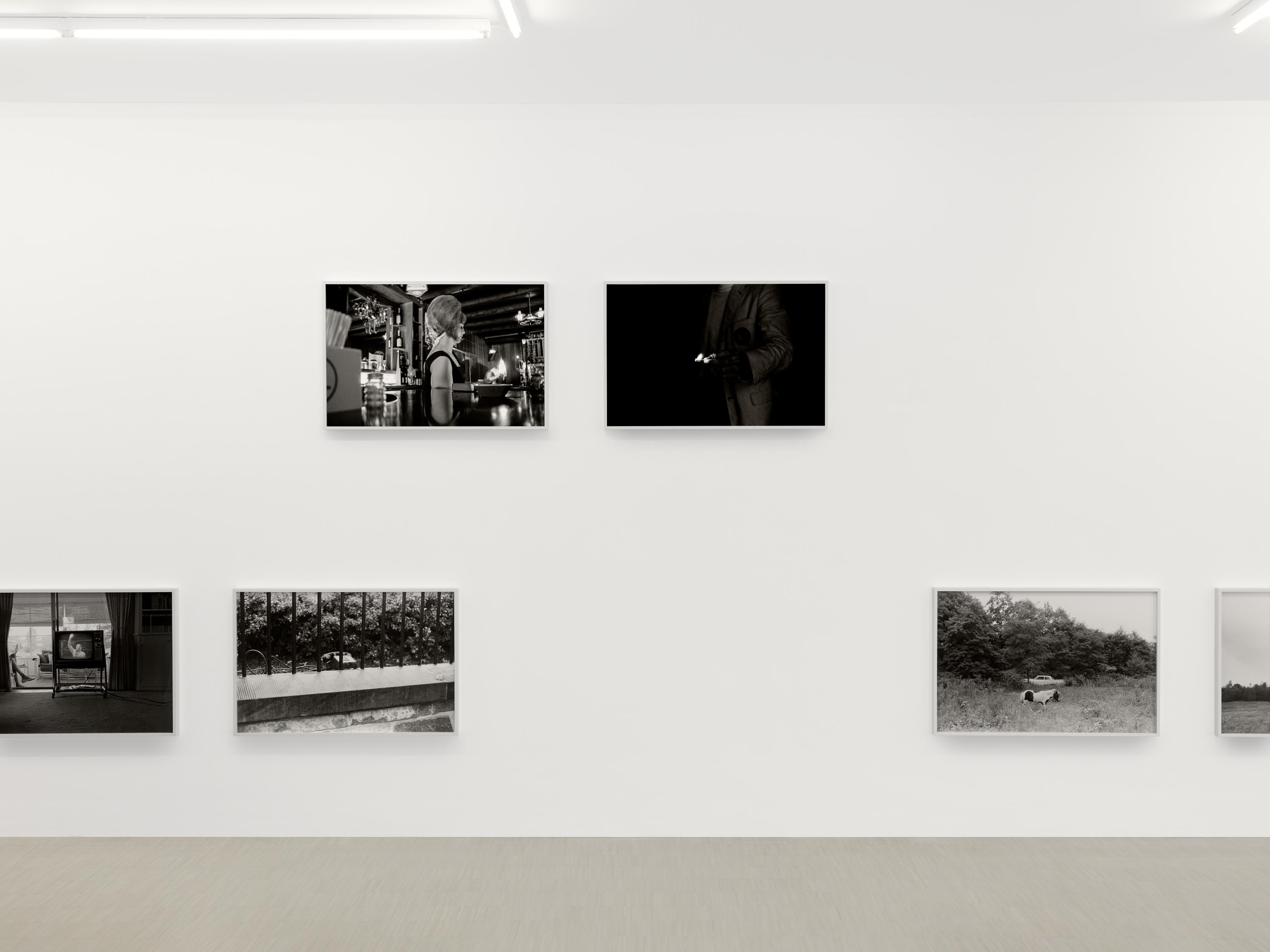
Clark Winter’s photographs frequently hold subtle visual disjunctions in which two elements within a single frame appear unexpectedly juxtaposed. Foreground and background relations are arranged in ways that produce slight incongruities in scale, meaning, or contextual fit. In one example, a pasture with trees in the distance is structured around a centrally positioned piebald horse, while further back a white car is parked, aligned along the same axis and rendered comparable in size through perspective. Their profiles are set in opposition, producing a visual counterpoint in orientation and meaning. This configuration destabilizes expected hierarchies. Within the shared landscape, the horse comes to appear almost more out of place than the automobile — which reads as an intruding yet normalized presence — an emblem of mobility that subtly displaces the animal as companion to the landscape in the American visual culture.
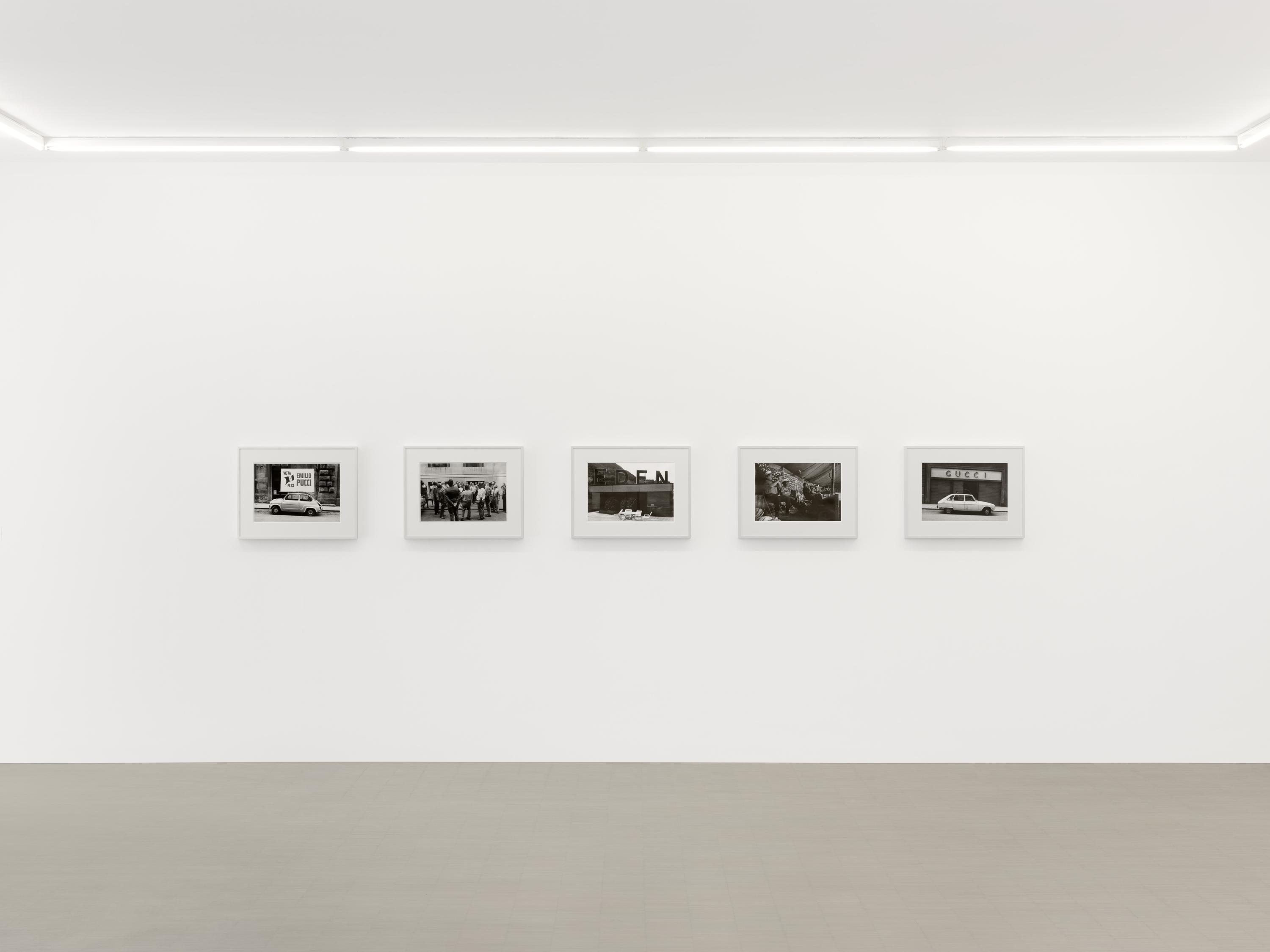
When his career in international finance sent him to Europe, Winter encountered the distinct spaces and aesthetics of the old towns of Italy and Spain, so different from the American landscape with its roadside infrastructure and residential suburbs. The cultural differences register in the formal language of the images he made there, which assume a graphic quality: streets are narrow and angled, tall shadows cut diagonally across the frame, pedestrians keep their distance from one another, and parked cars look like tiny boxes designed to occupy as little urban space as possible. In some cases, signage covers parts of the image — Pizza, Pucci, Gucci, Eden — set in bold capital letters against modest surroundings.
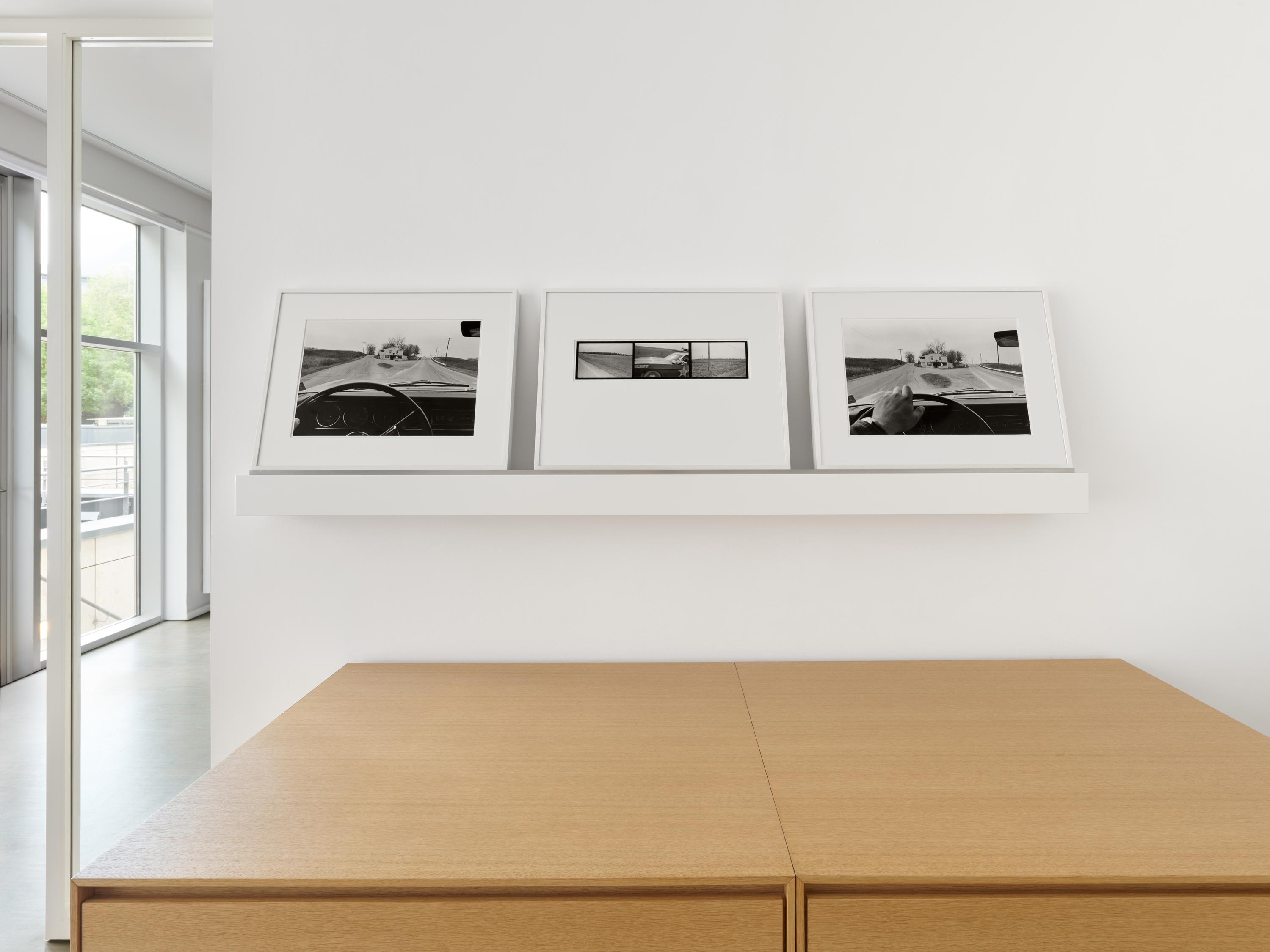
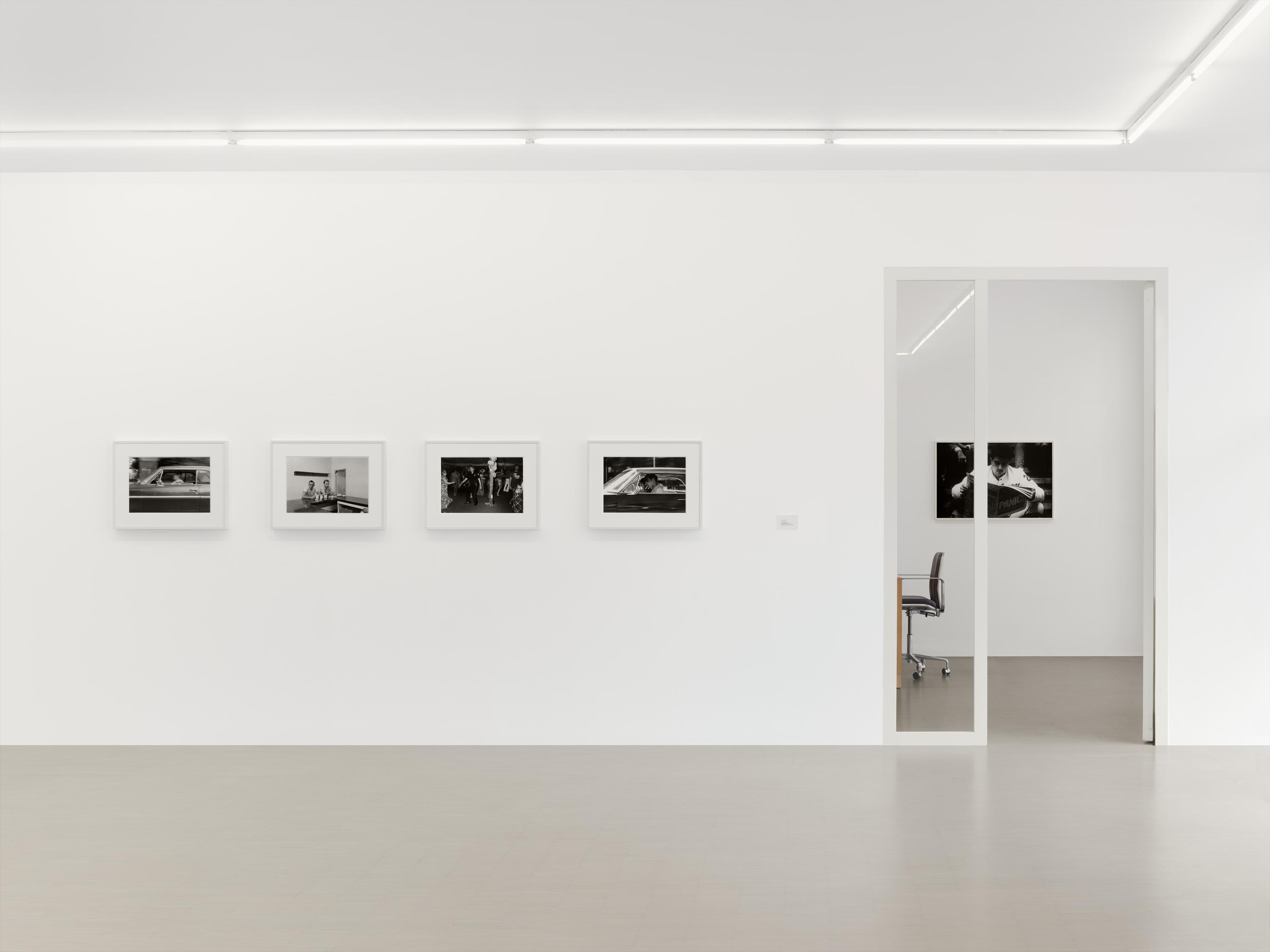
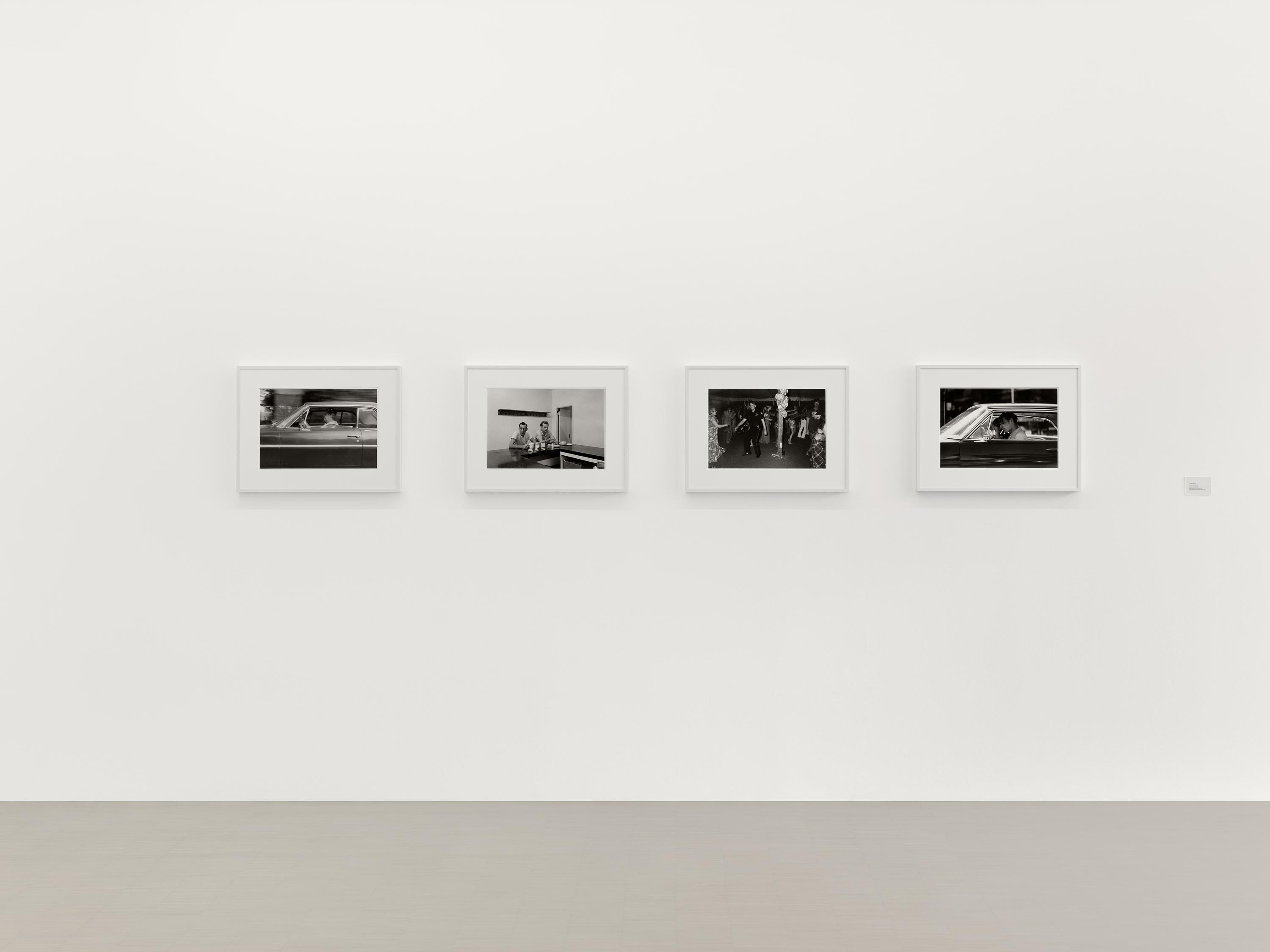
In America, on the other hand, Winter frequently photographed through the car window while driving, using it to frame his subjects, slowing down just enough to capture a surprising scene with his Leica, or stopping at a traffic light. In the United States during the 1970s, this kind of mobility can be understood as part of a broader restructuring of spatial practice, replacing local continuity. Perception, too, became mediated by flows of traffic, producing a spatial experience that gave the observer a certain detachment. It may also suddenly present an opportunity to photograph a person in the next lane at an almost uncomfortably close range: a woman is driving with her hair still in curlers, unaware she is being photographed, her eyes fixed on the road. The houses she is rushing by dissolve into a horizontal blur in the background. In this photograph, it appears as if the woman treats the car as an extension of her home, oblivious to the public space outside — and it is precisely this moment of unselfconsciousness that Winter captures.
Viewers of this exhibition become witnesses to the duality of public and private, to moments of ambiguity — to the visual beginnings of Untold Stories they are invited to imagine. There is a quiet delight running through these images — a sense that the world, met with open eyes in its unexpected encounters and fleeting moments, can be endlessly unknowable and surprising.
Born in 1951, Clark Winter has exhibited his work in the United States and Europe. His photographs are published in From Here to There (Damiani, 2025). Further publications include Robert Frank in Conversation with Clark Winter: 10 Films (Steidl, 2025), Birds (Steidl, 2025), and Free Air: Robert Frank — Hands at Work (Steidl, 2025). In addition to his artistic practice, Winter serves as a trustee of the Robert Frank Foundation, New York, a role that grew from a long personal friendship with Frank.