Opening: Saturday, 29 August 2026, 3-6pm
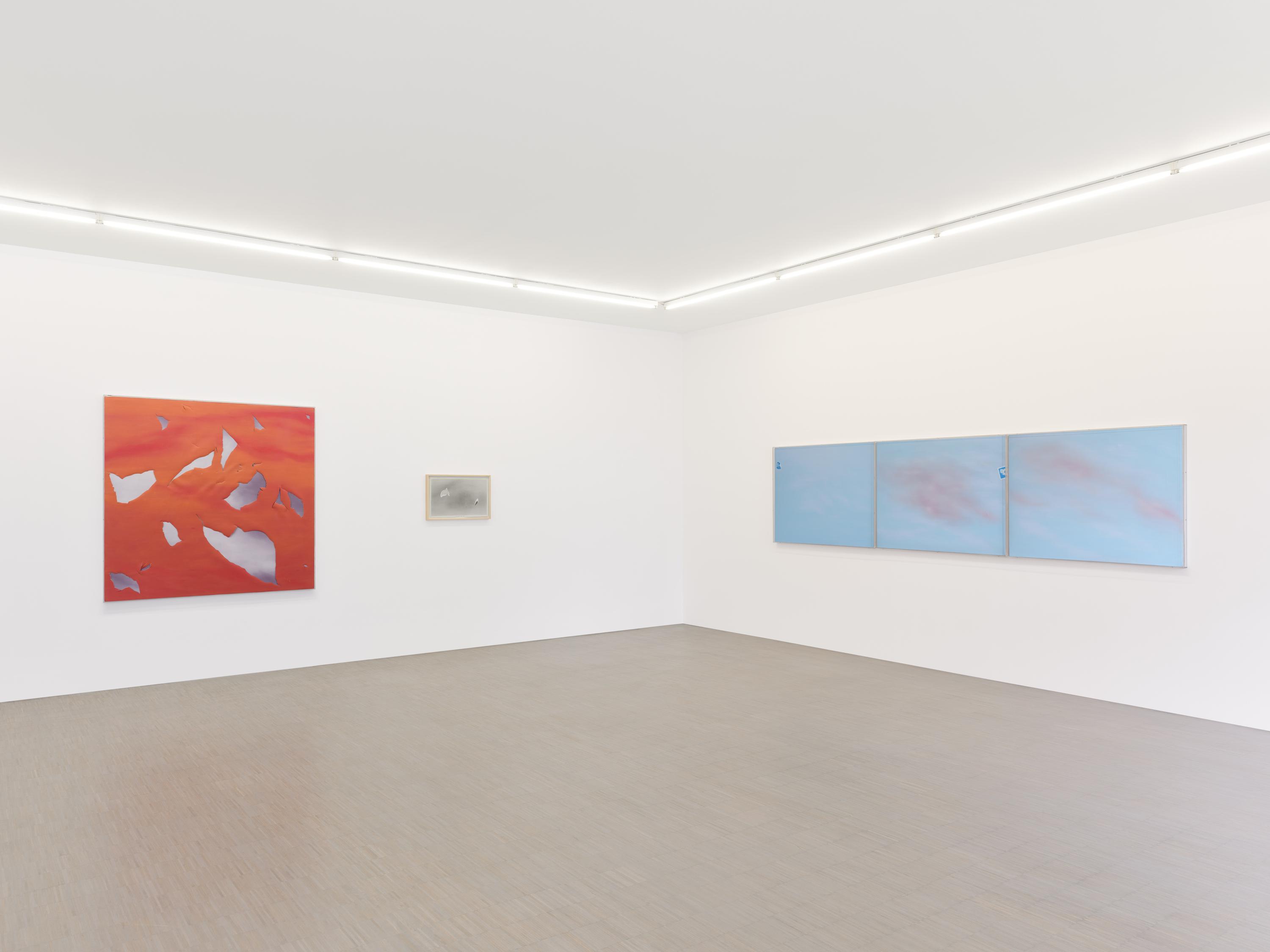
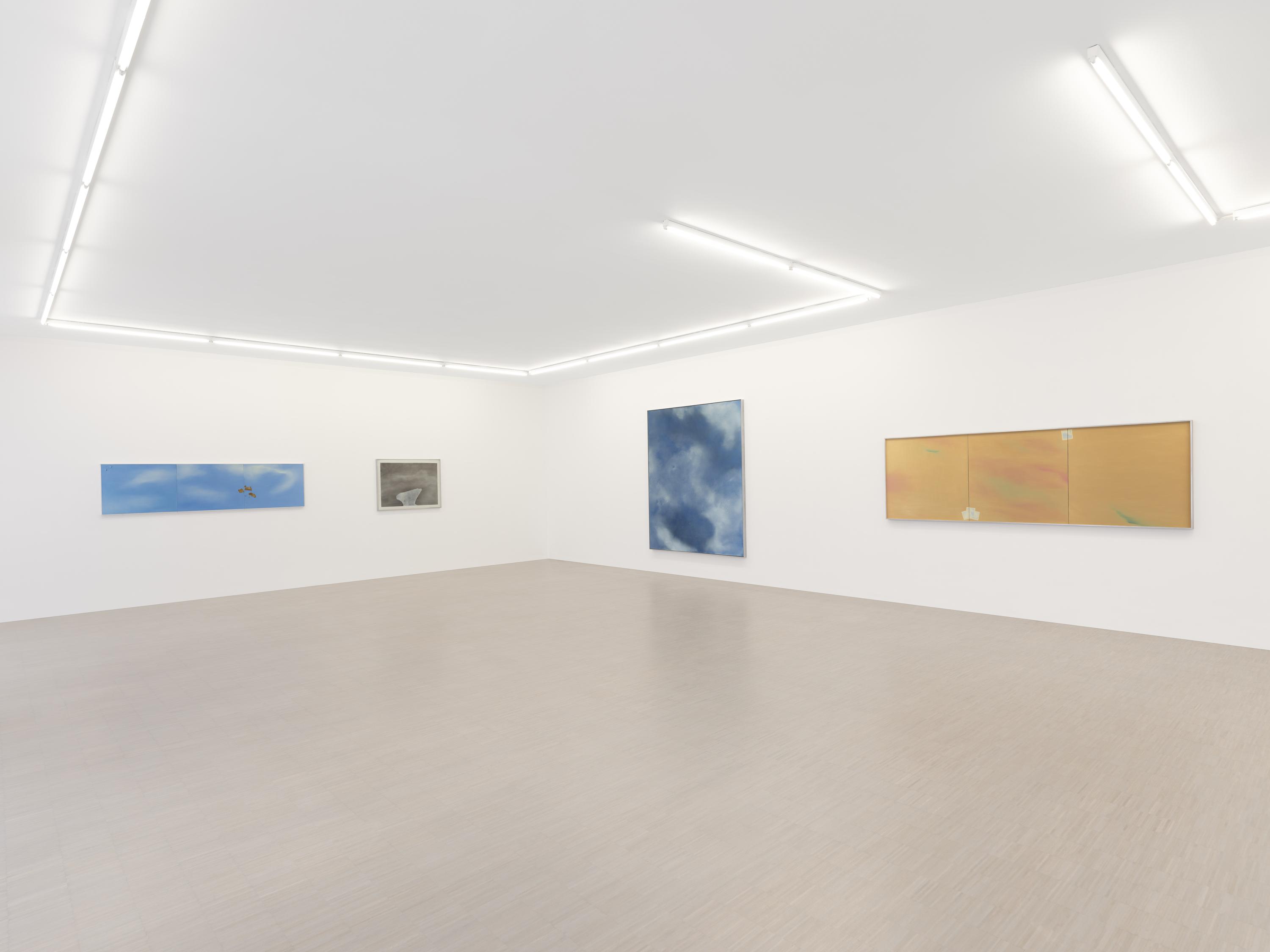
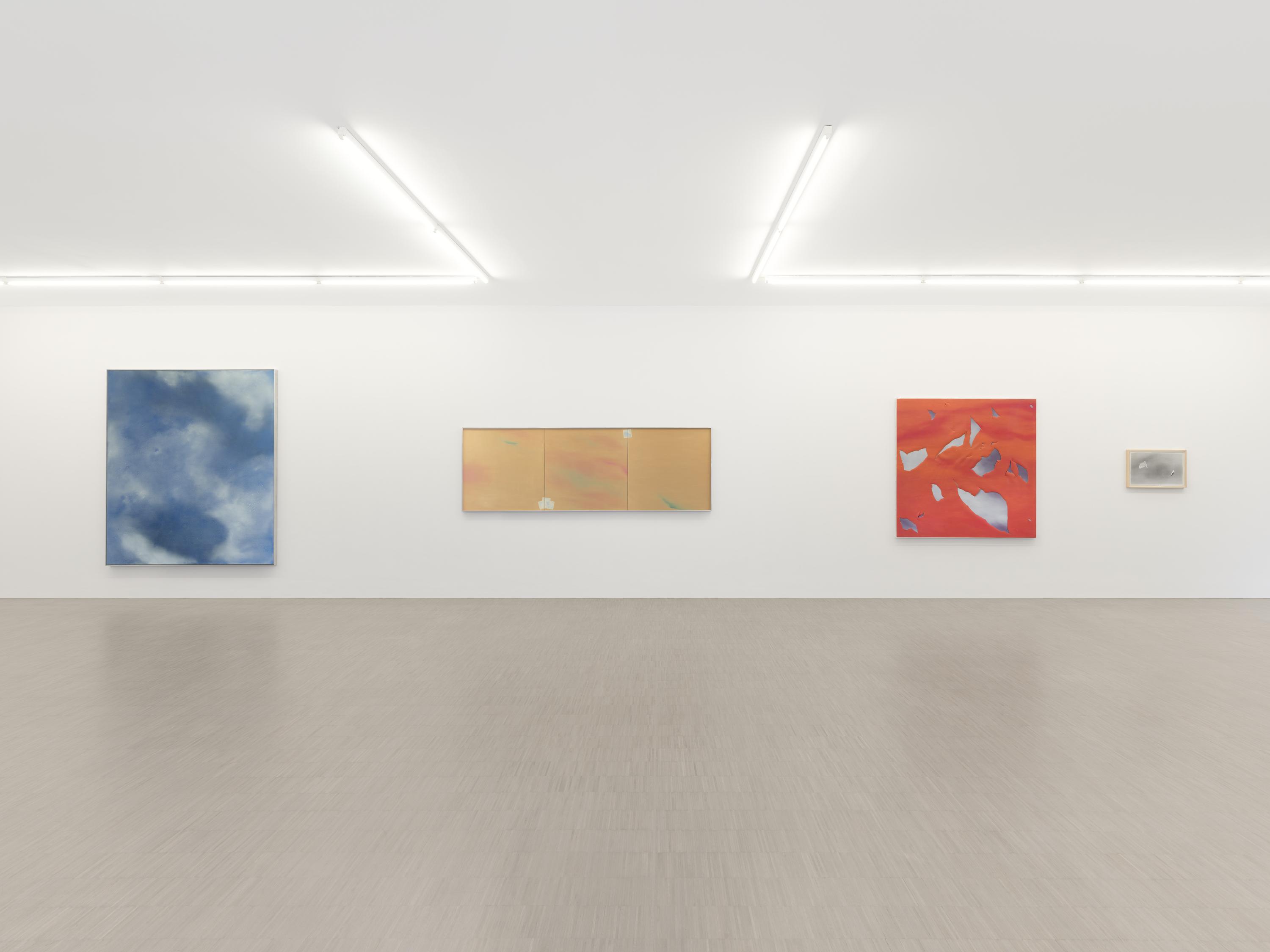
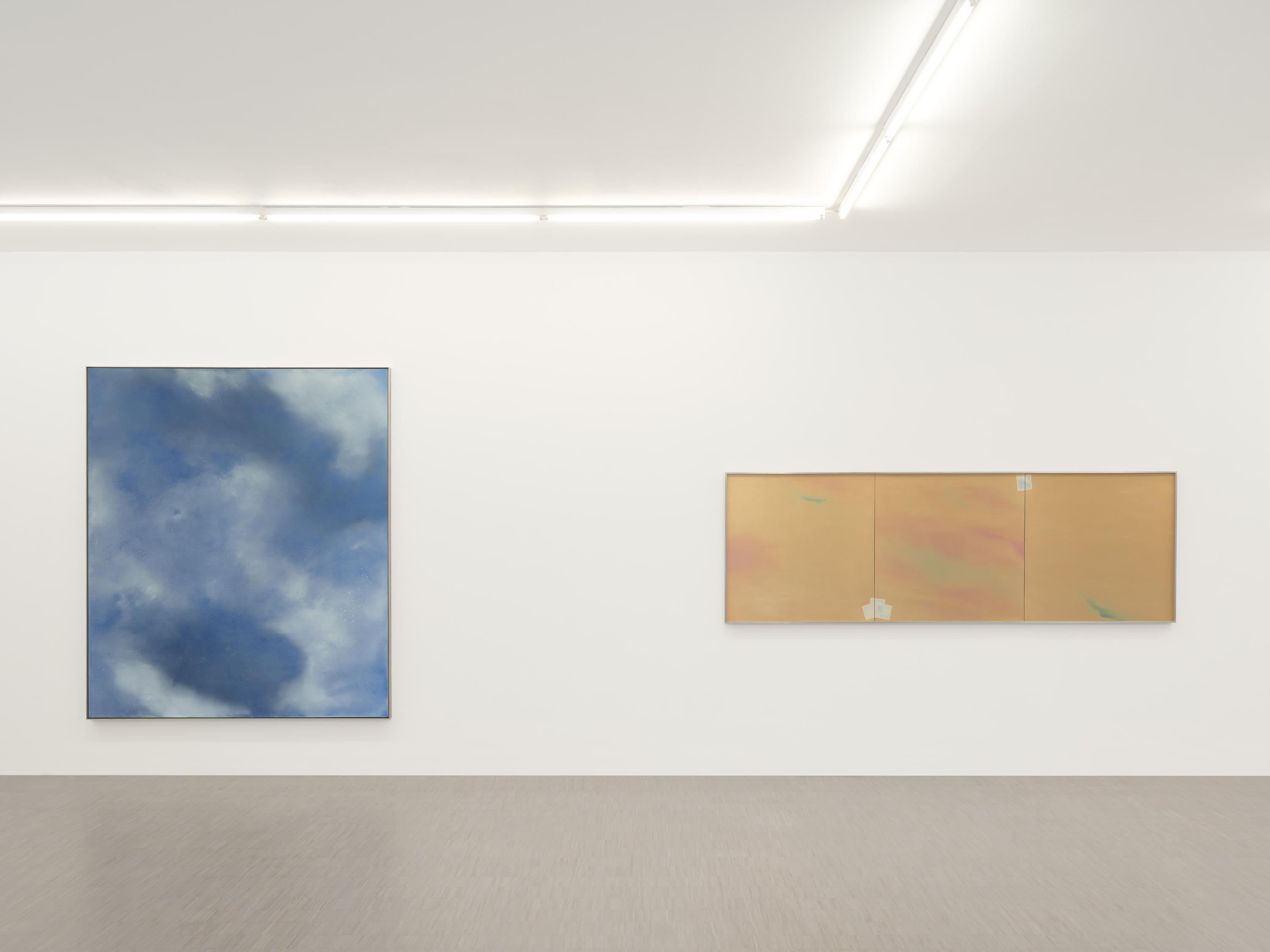
Zander Galerie is pleased to present Torn Skies, an exhibition of paintings and works on paper by American artist Joe Goode (1937–2025). Covering more than three decades, the exhibition brings together key works from some of the artist’s most significant bodies of work.
One would expect a serial practice to help artists to compartmentalize their subjects, allowing each to be treated independently of the others. What is surprising, then, is the abiding centrality of a single notion in the work of Joe Goode, who is unmistakably a serial painter. Perhaps even more important than its recurrence is the substance of this central notion itself: the sky. Vast, all-encompassing, total, everything but central in a localized, nuclear fashion: on the contrary, the sky extends toward omnipresence, both in the real world and throughout Goode’s formal development.
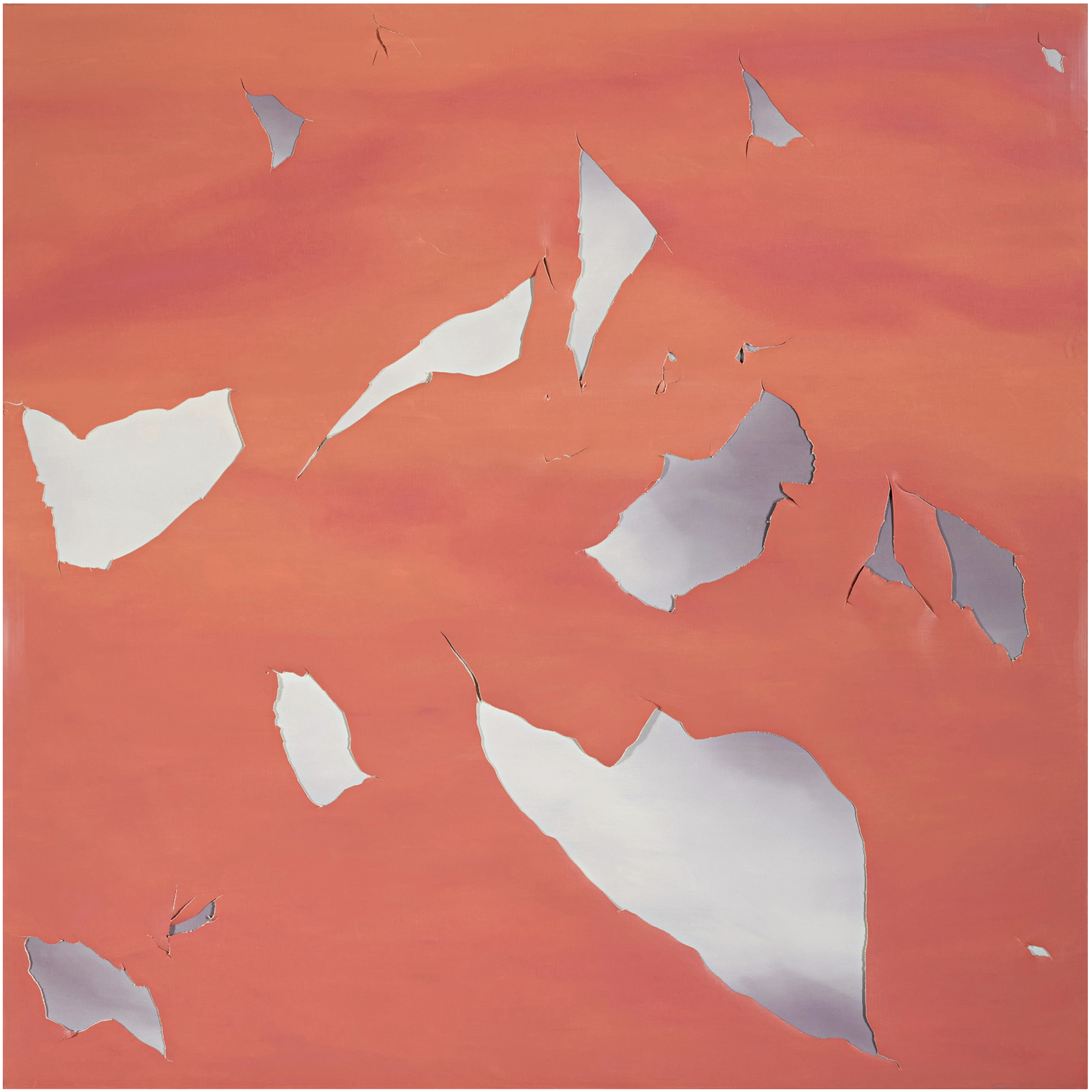
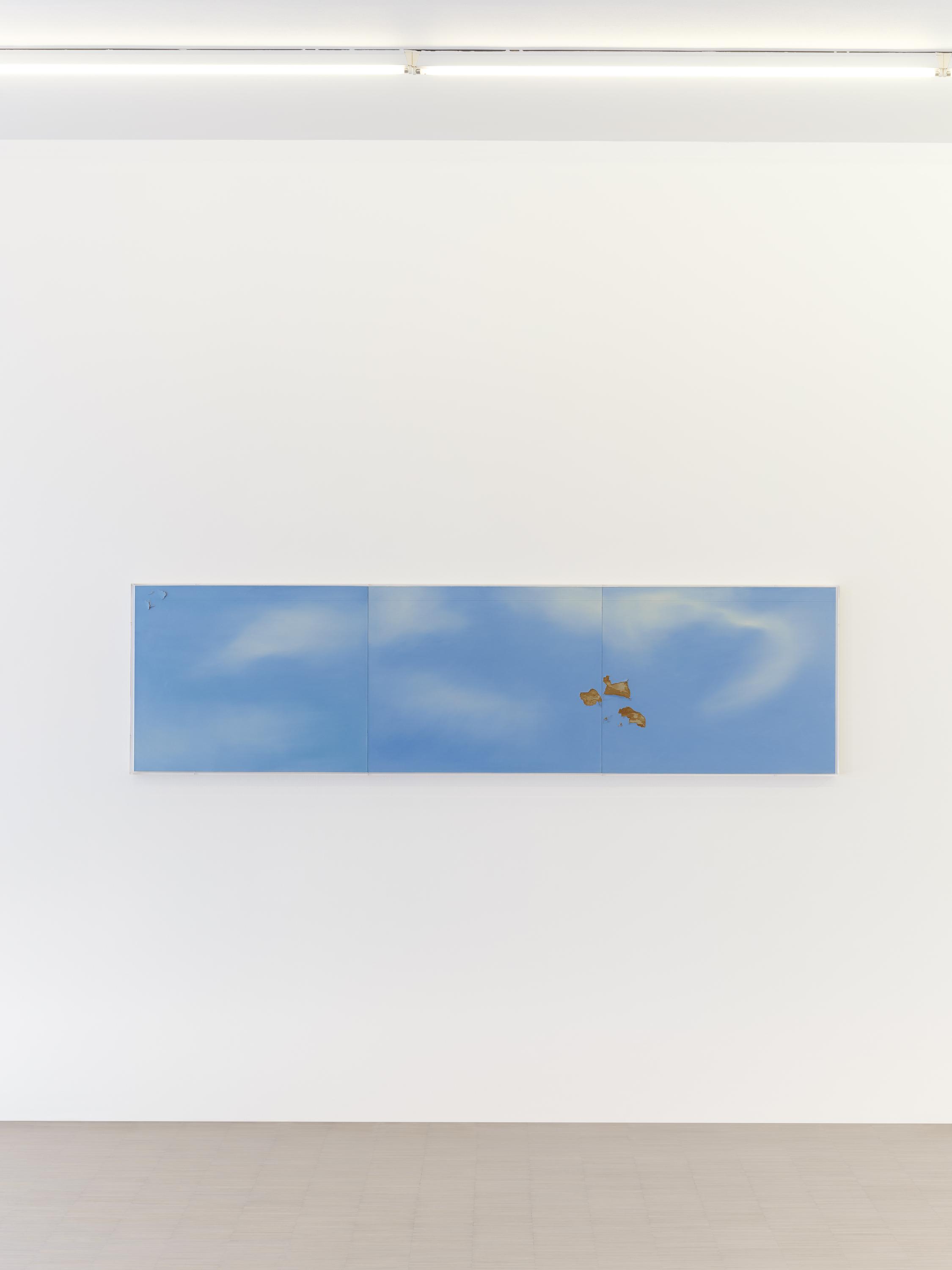
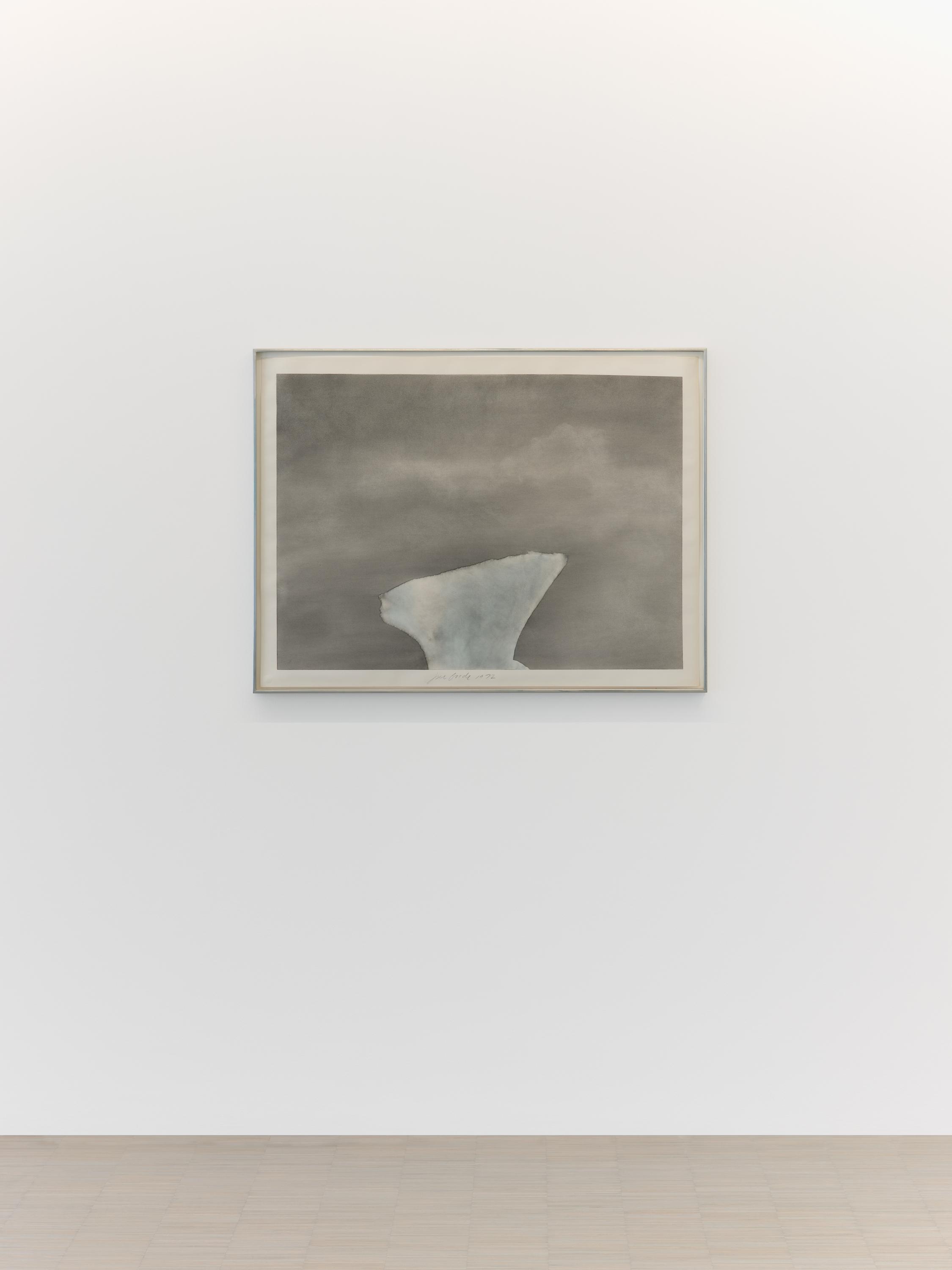
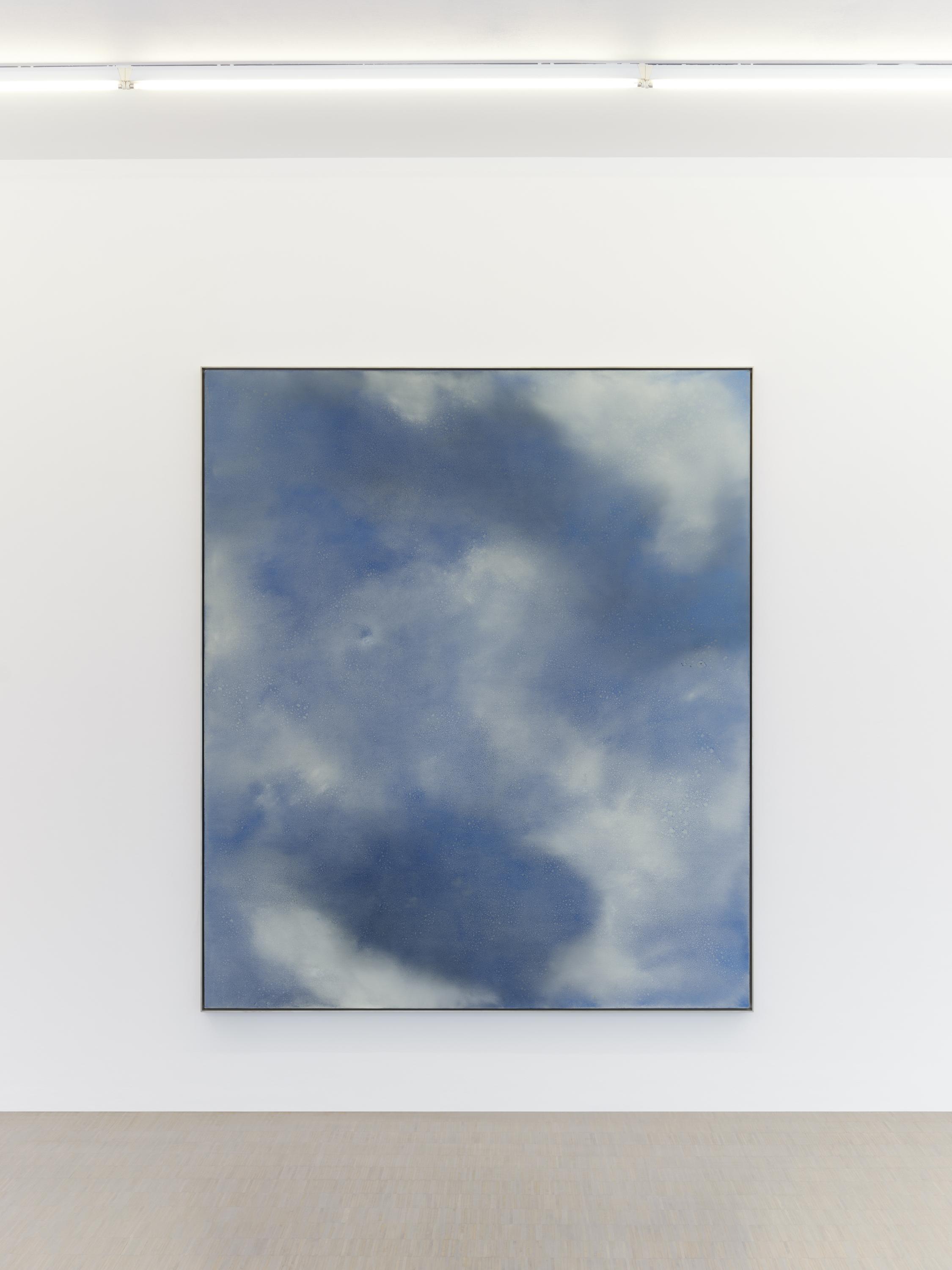
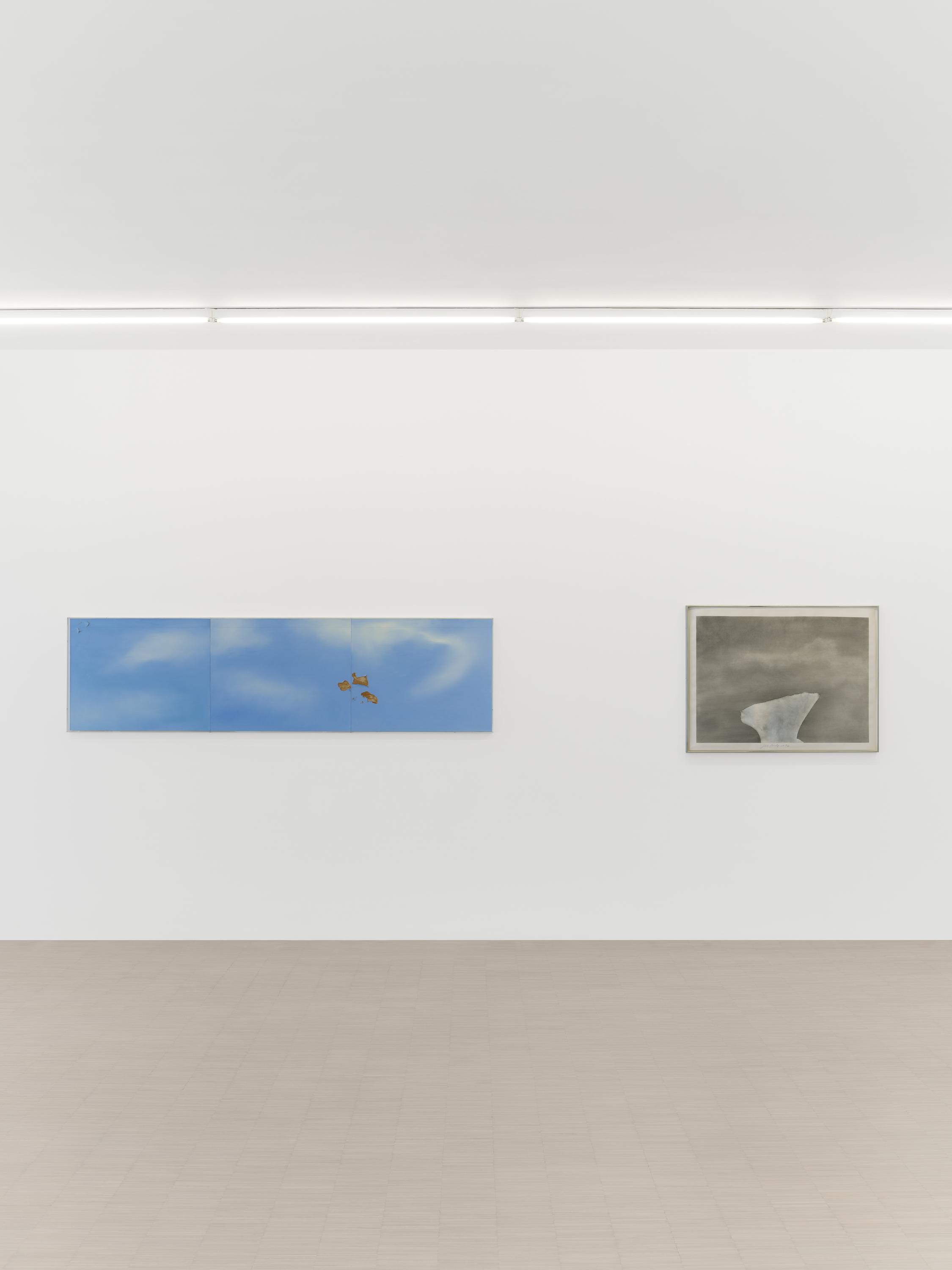
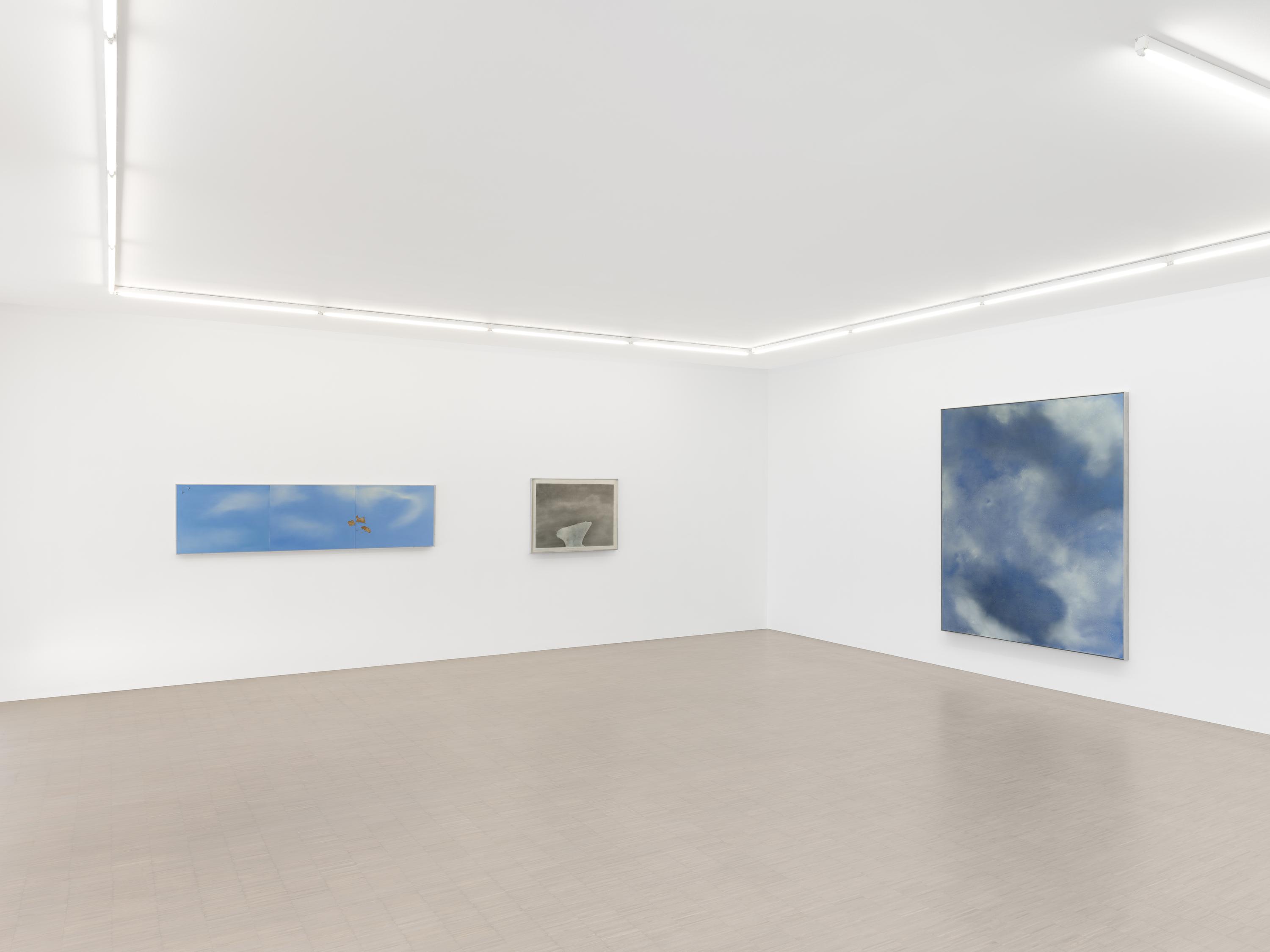
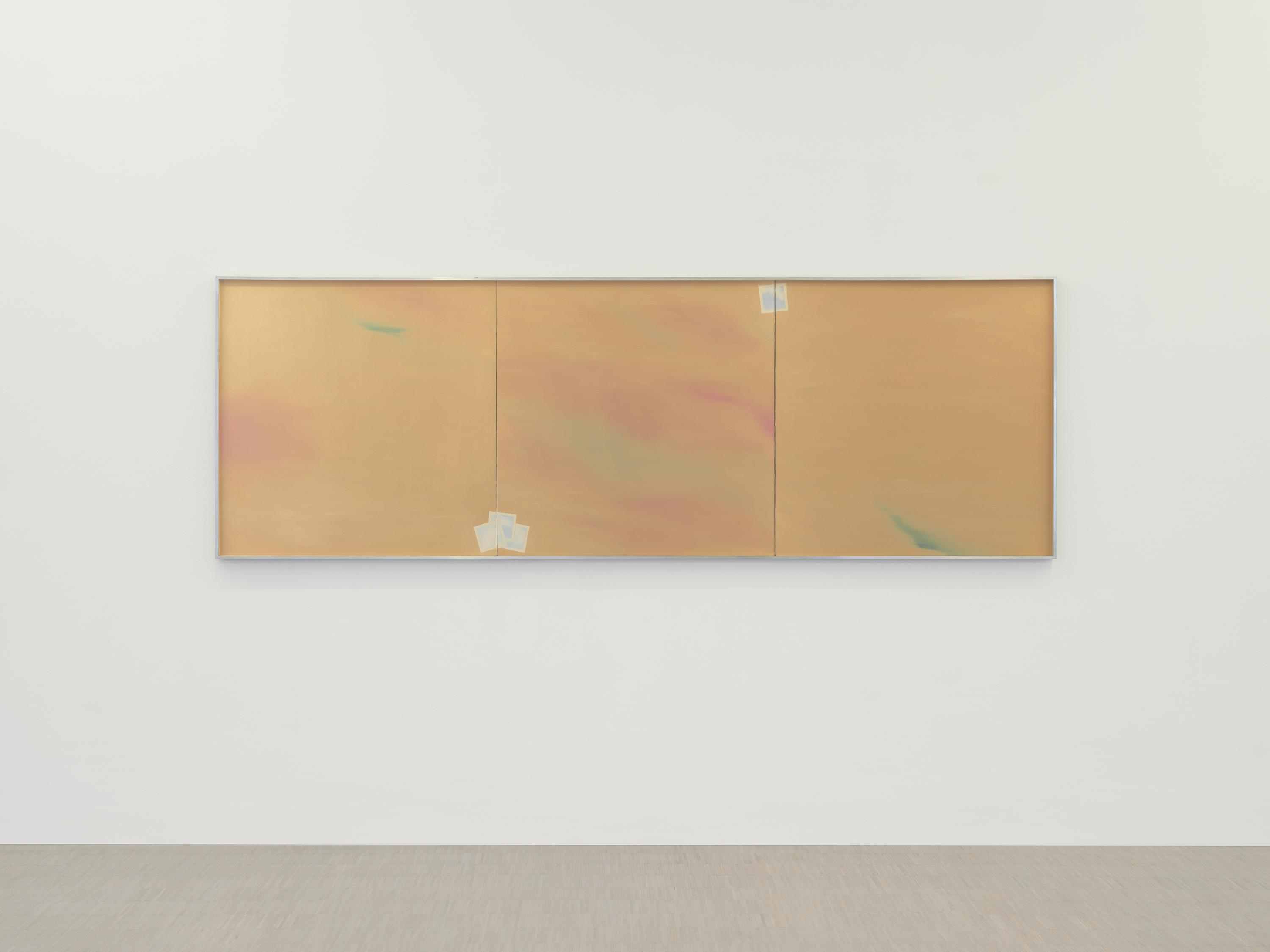
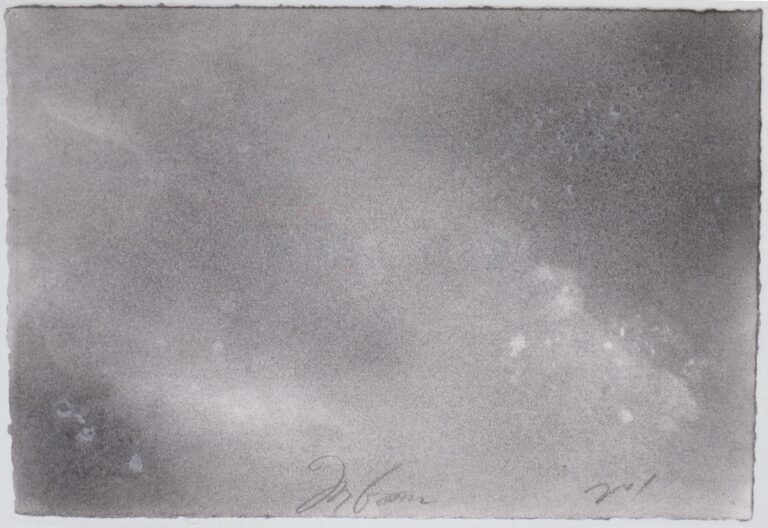
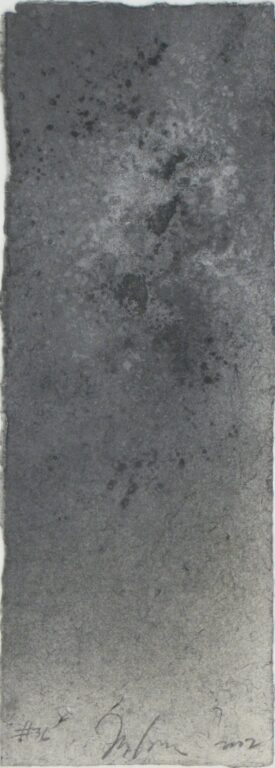
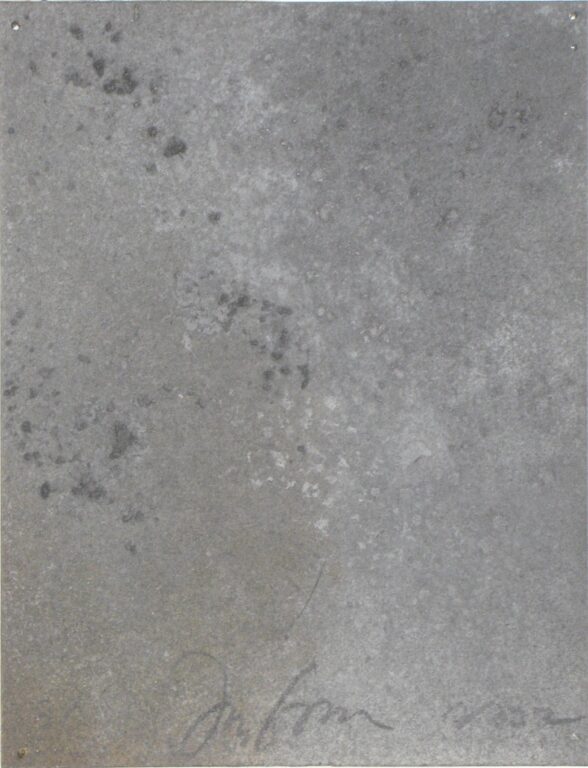
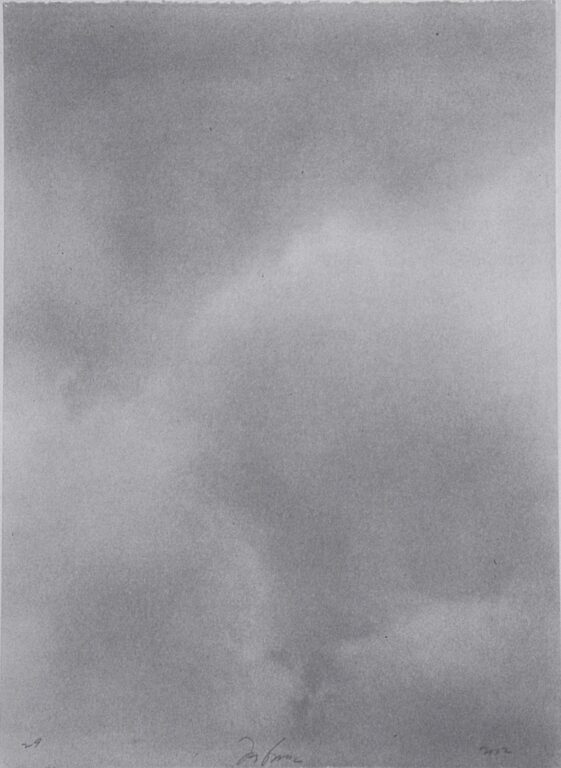
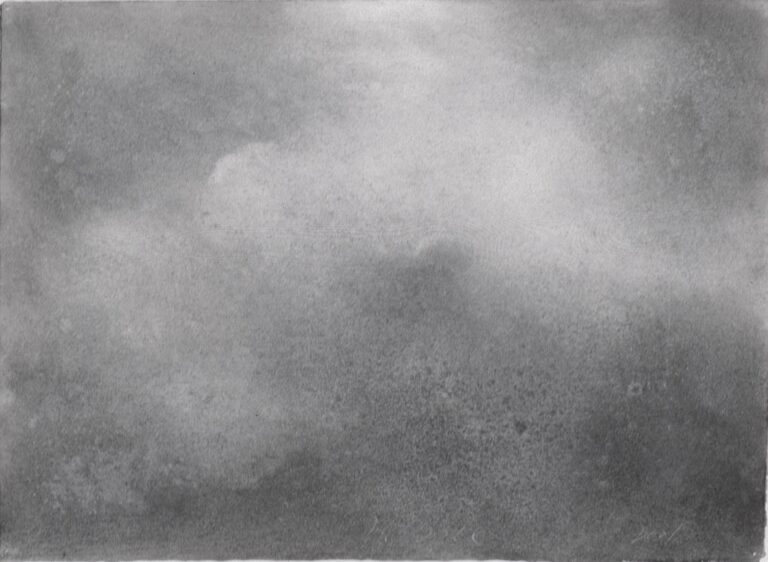
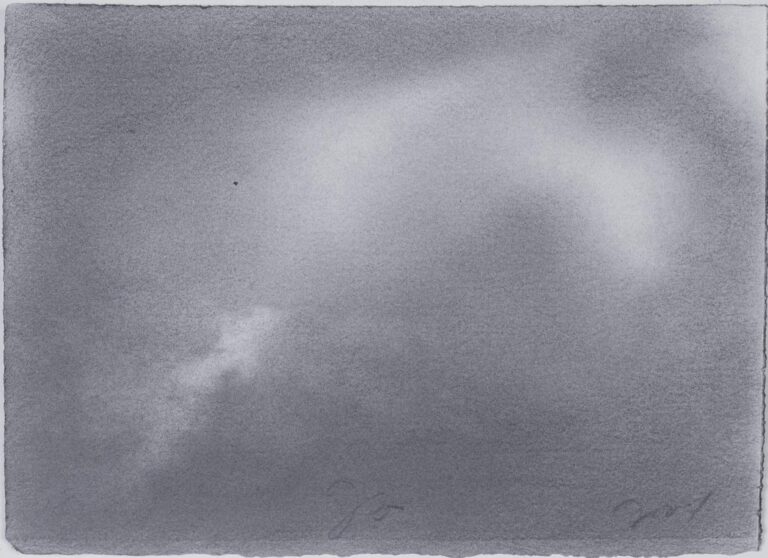
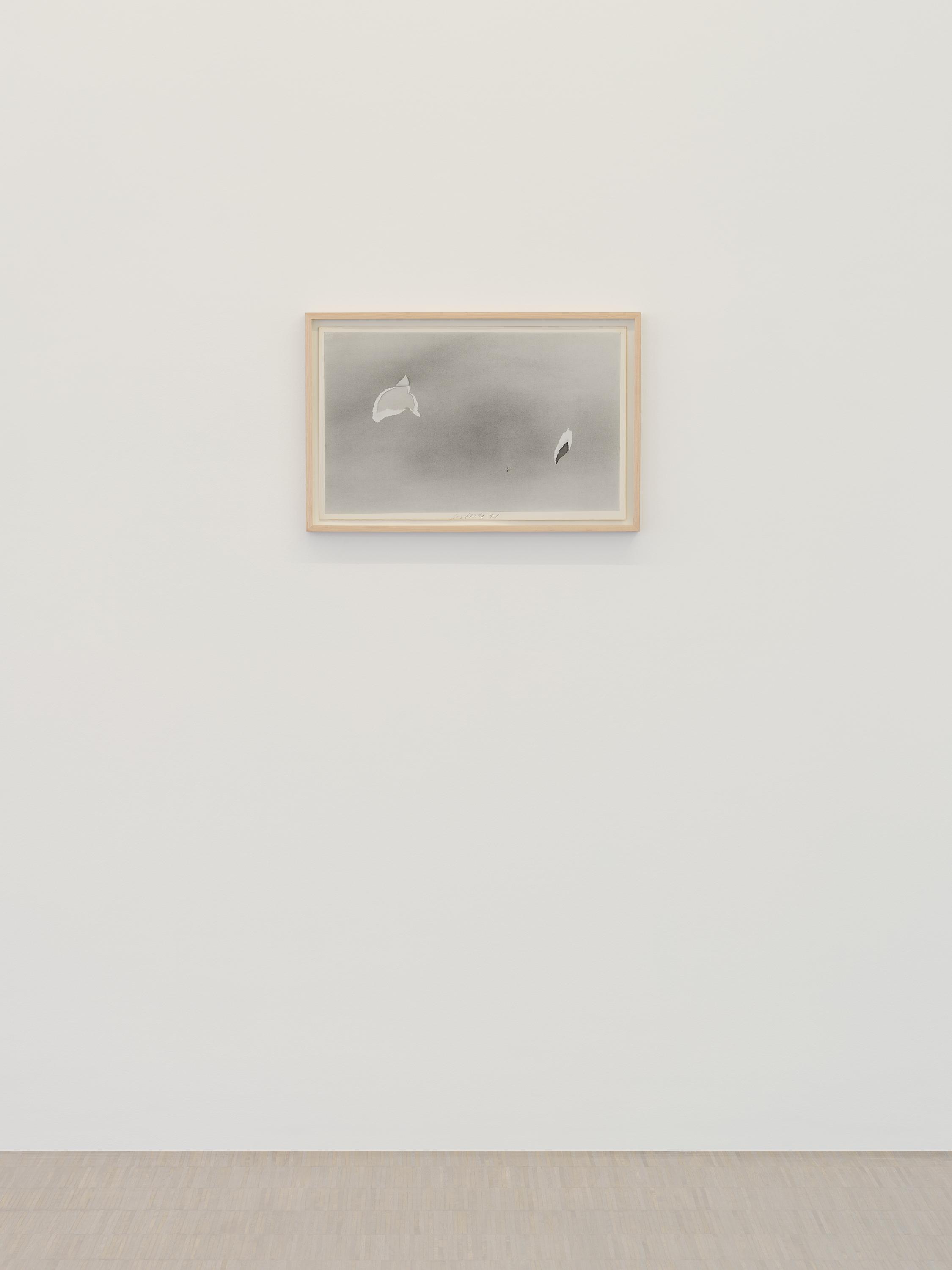
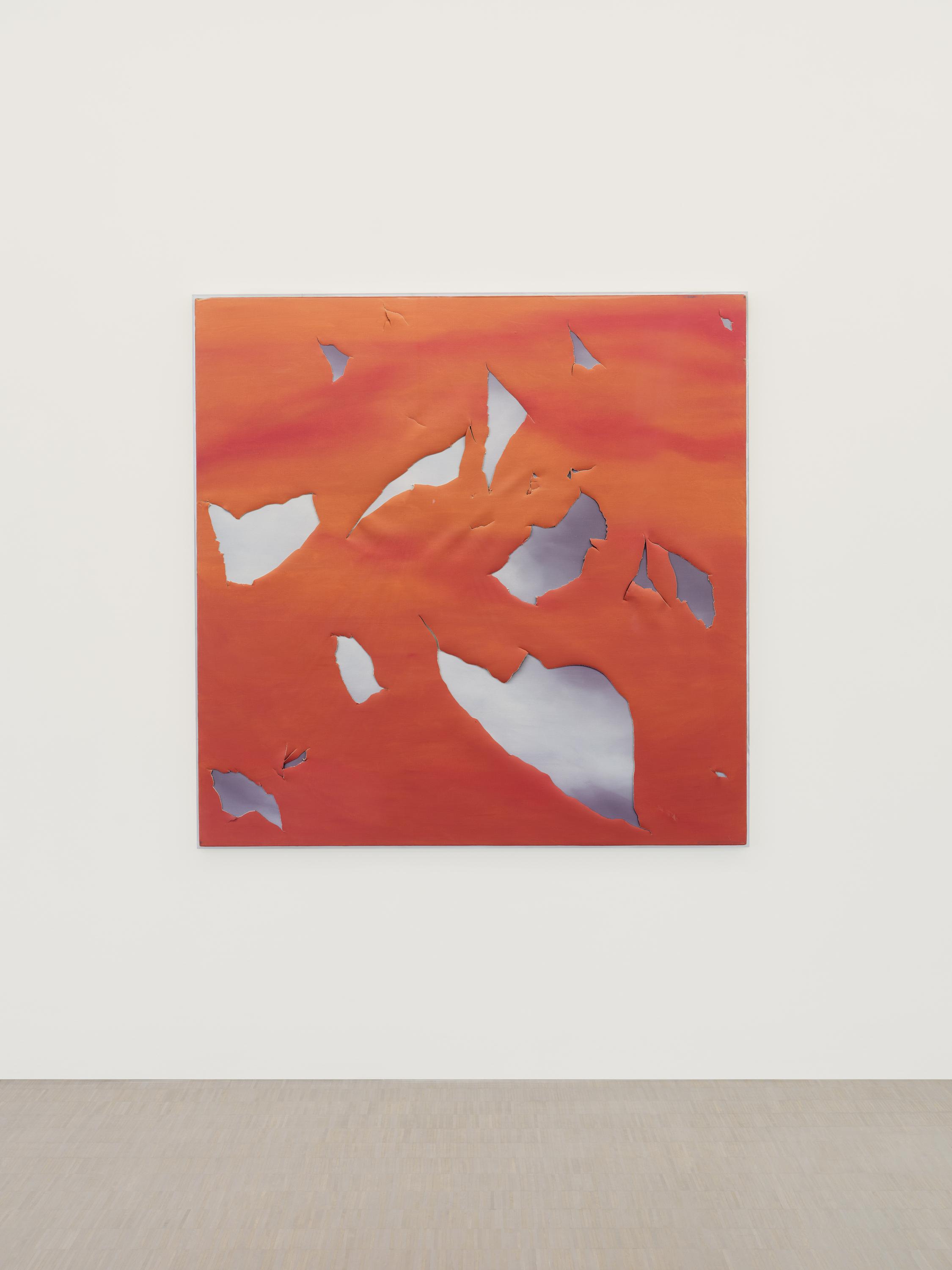
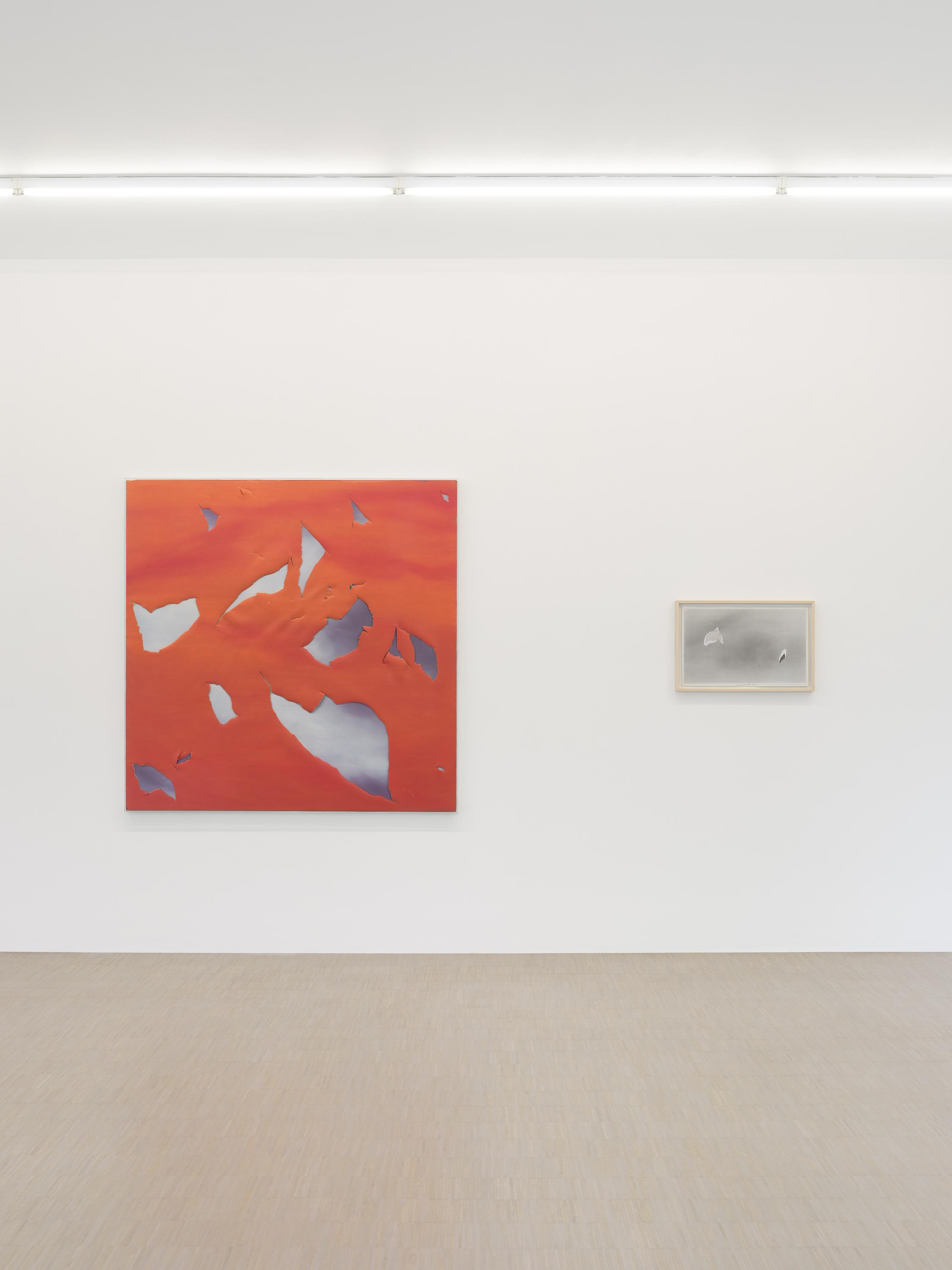
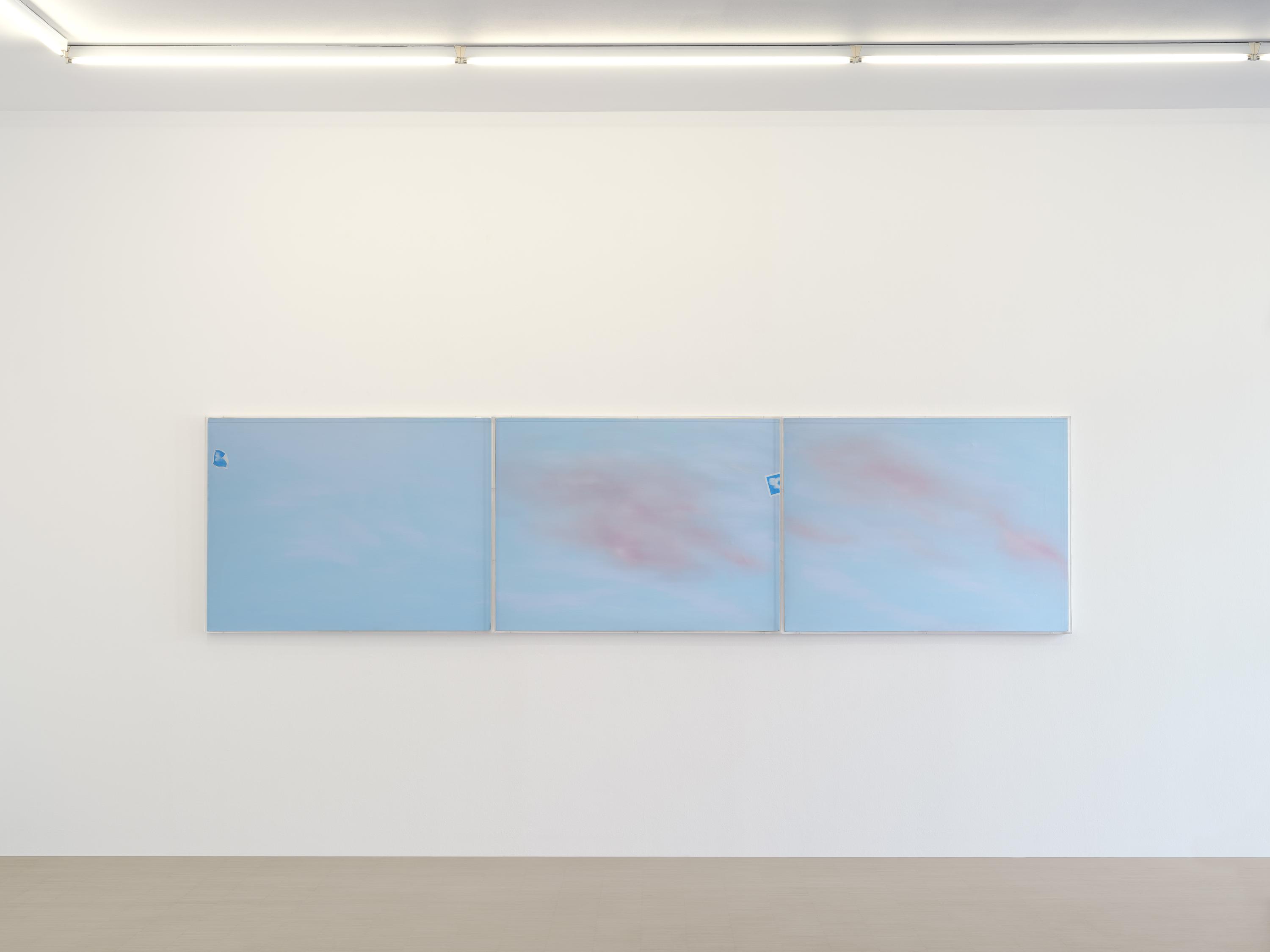
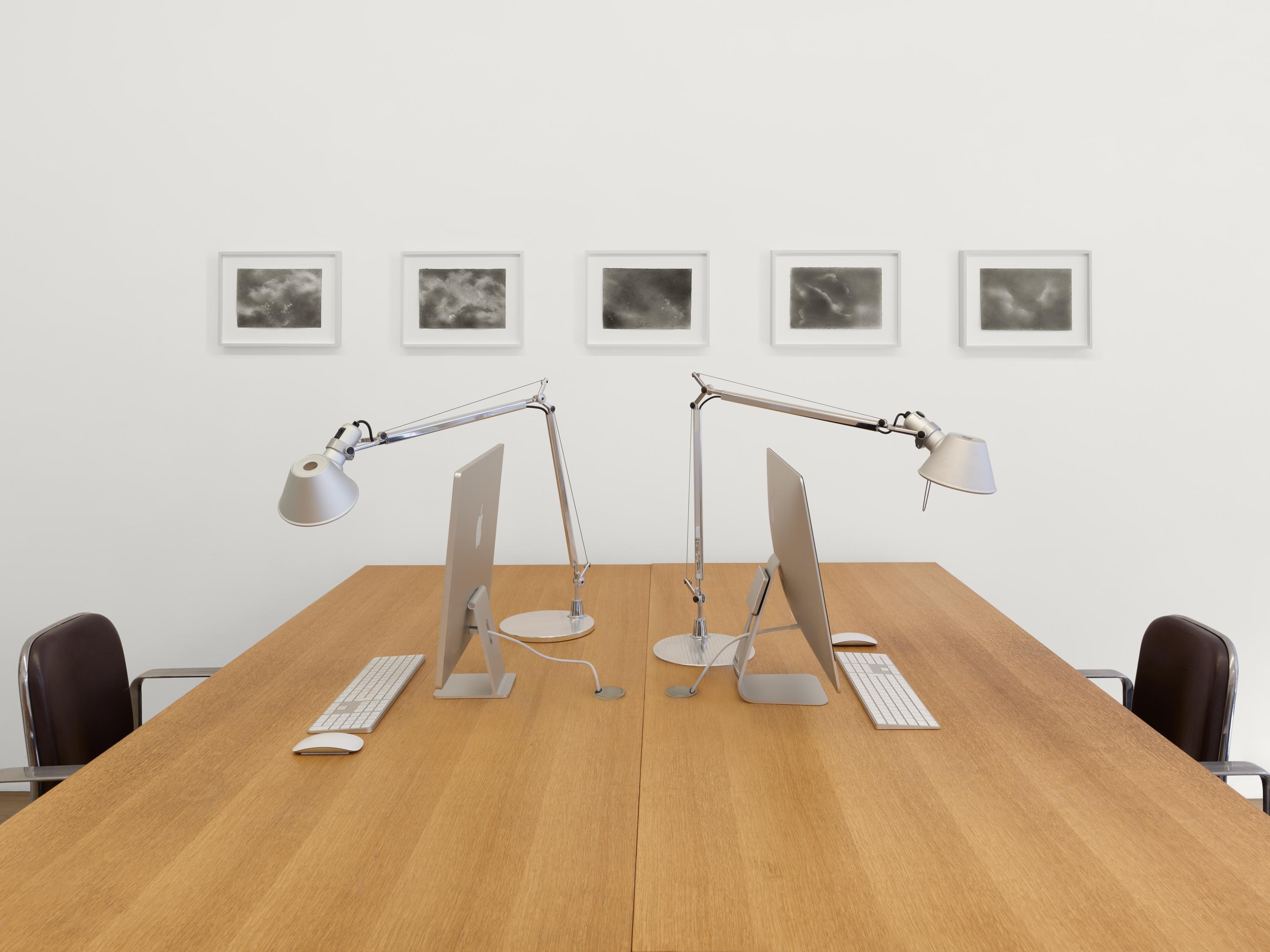
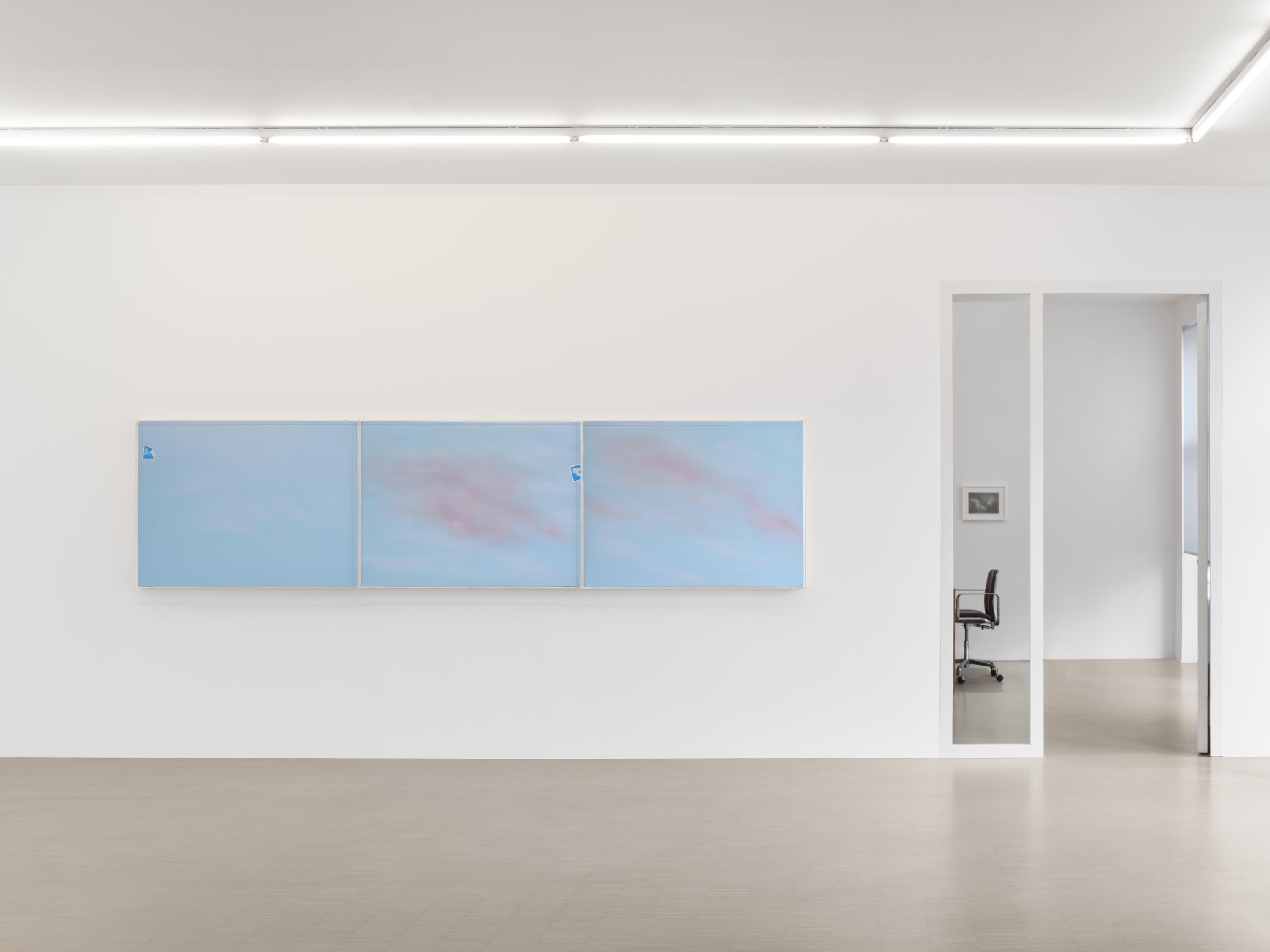
It may be precisely because Goode addresses the sky in all its aforementioned vastness in so many of his series that his paintings often approach the monochrome. There are nonetheless countless nuances: very softly, as if a cloud passes across the painting (Untitled (from the Vandalism series), 1975) or as if the color in some parts of the sky starts to change, like the appearance of dusk in the 1969 Untitled painting or dawn in the very light blue of his 1969–70 Photo Cloud Painting 100 (Triptych). Nuances in Goode’s skies also exist on a more pronounced level, when fragments of what appear to be other skies, from other hours or other parts of the world, stain the original one, piercing through it, as in the 1972 drawing Torn Sky and the 1975 Untitled painting from the Vandalism series. In painting as well as drawing, Goode is particularly attentive to variations and movements, albeit very subtle and abstract, as demonstrated by his numerous 2001 studies. He doesn’t seem to consider the sky one monolithic and immovable entity, fixed and remote, but, on the contrary, as ever-evolving matter, both permanently present in our world and in constant, unstoppable mutation. This dual nature of the sky, between centrality and diffusion, permanence and change, is particularly reflected in Goode’s sustained attention to it, from one technique to another, and from one series to the next.
A lifelong friend of Ed Ruscha, whom he met when both were children, Joe Goode grew up (like Ruscha) in Oklahoma City and arrived in Los Angeles in 1959, three years after his friend, where he enrolled (just like Ruscha, also born in 1937) at Chouinard Art Institute, now part of the famed CalArts. By 1961, Goode had already expressed “his interest in common objects,” as described by his oldest friend (who was already experimenting with painted language) through the inclusion of milk bottles in his painting vocabulary. The milk bottle — a defining American object, presumably on every suburban doorstep every morning — is separated from the Milky Way, of which the sky is the very cradle, by only a few conceptual steps.
It is, retrospectively, in this light that one could read the cover for the November 1962 issue of Artforum (only the sixth issue of the journal), chosen from Goode’s earliest works: Untitled Milk Bottle (Purple), a 1961 painting in which a bottle stands on what seems to be the floor of the artwork, its two shadows cast on a purple backdrop, already creating a sense of an encapsulating yet abstract, loosely described environment: real space. Ruscha himself remarked that Goode “had some kind of cosmic connection to milk bottles.”
Since the dawn of the 1960s, when Goode began his career as a painter, the sky has thus held a defining place throughout his many series. It is at the center of the Cloud Triptych, painted in 1964–65, which “prepared the ground for pretty much everything [Goode]’s done since then” according to Kristine McKenna,and it is alsothe focal point of the Photo Cloud (1967–69) and the Torn Clouds (1970–76) series, as well as the Vandalized Clouds (1971–75). Many more of his formal directions, although their titles don’t necessarily indicate it, are intimately linked to the sky in one way or another. The House or the Window paintings, for example, but also the Environmental Impact and the Fire series, the latter two extending the sky to the conceptual zones of atmosphere, surroundings: the global context in which humanity evolves.
The sky, whether pristine or torn, brings all of Goode’s works under it, in it, conveying a sense of togetherness, as it does in the real, material world. Furthermore, it has a distinct resonance in the immediate context of Goode’s formal development. While he was beginning as an artist, John McLaughlin (1898–1976) was painting what was to become a central influence for the Light and Space movement of the 1960s and 1970s, a defining touchstone for the Los Angeles scene—DeWain Valentine (1936–2022) in sculpture, Doug Wheeler (born in 1939) in light. These two artists and Goode share a distinct interest in the sky, even if Valentine and Wheeler pursued it in a very physical, direct, embodied way, while Goode was to explore its environmental quality in more visual terms, with paintings of ambitious horizontal dimensions, recalling the movie-screen-like canvases of his friend Ruscha. Once again, the sky bridges two notions: both a fragment of the real and a symbol of infinity, linking Goode’s “interest in common objects,” which according to Ruscha already began “in an art class taught by Miss Mary Lamb Lewis” in Oklahoma, with the very vastness usually lacking in these common objects, leaning toward a conceptuality of the experienced world Goode has been so deft at hinting at. Goode’s skies, then, are what ultimately allow viewers to consider his paintings as both Pop and conceptual: very real, yet immaterial; in one word: ethereal.
Over a career spanning more than six decades, Joe Goode’s work was presented in numerous exhibitions in the United States and internationally, including presentations at the Whitney Museum of American Art and the Museum of Modern Art, New York. In 2015, the Contemporary Art Museum St. Louis mounted a major survey of his work. His works are held in leading public collections including the Museum of Modern Art, New York, the Whitney Museum of American Art, New York, the Los Angeles County Museum of Art, Los Angeles, the Museum of Contemporary Art, Los Angeles, the San Francisco Museum of Modern Art, the Menil Collection, Houston, and the Hirshhorn Museum at the Smithsonian Institution in Washington, D.C.