Opening: Friday, 29 May 2026, 5-8pm
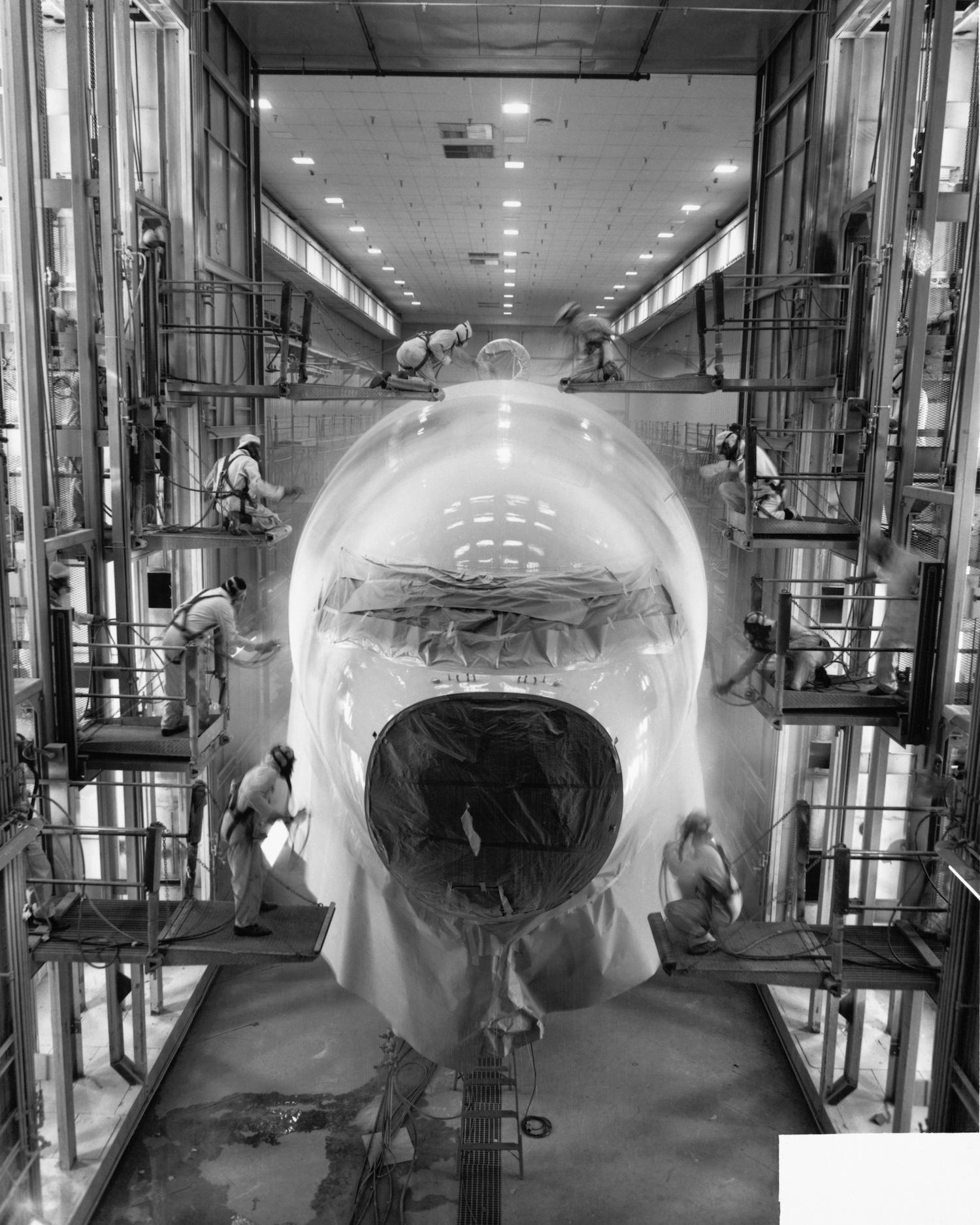
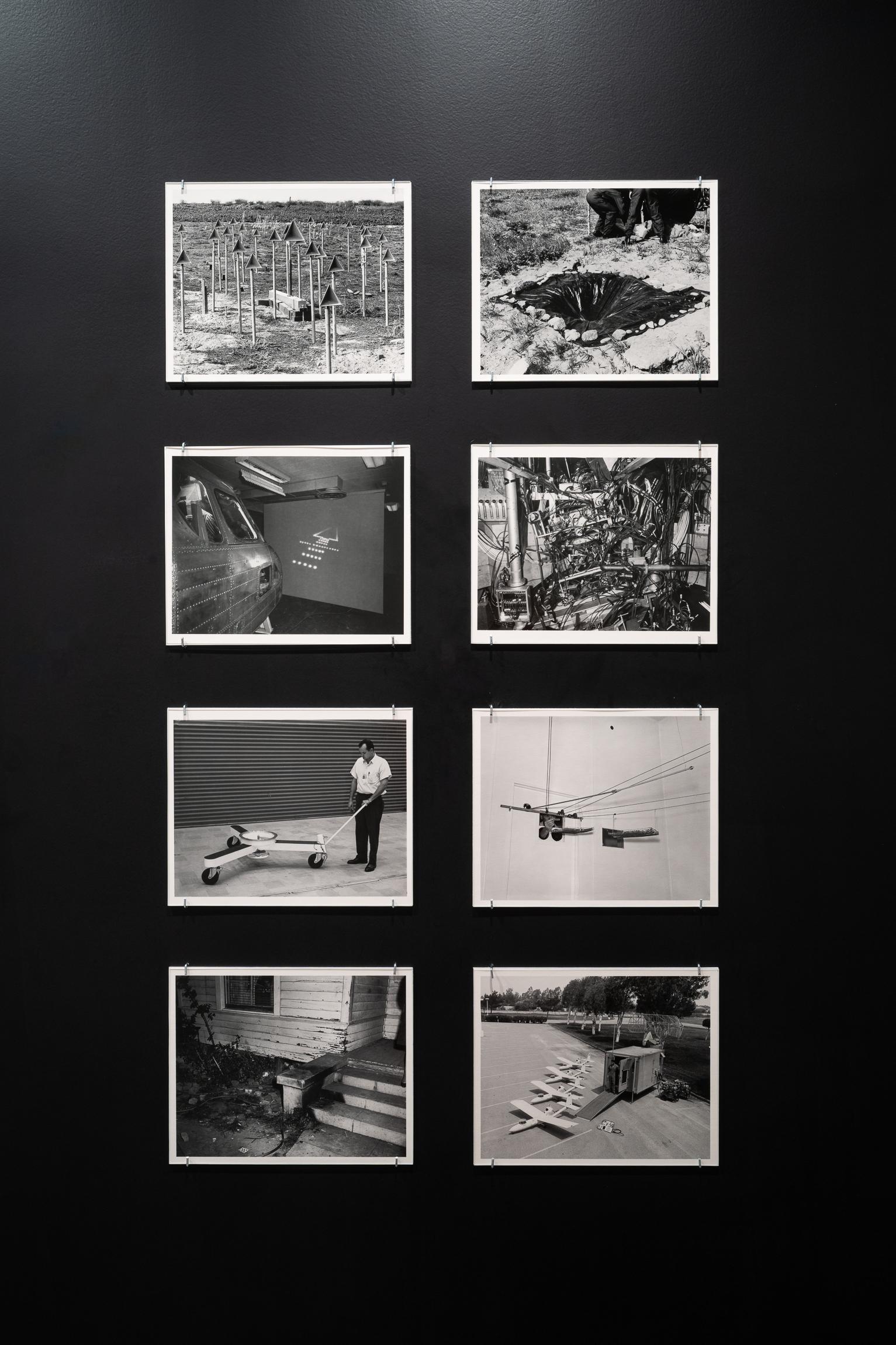
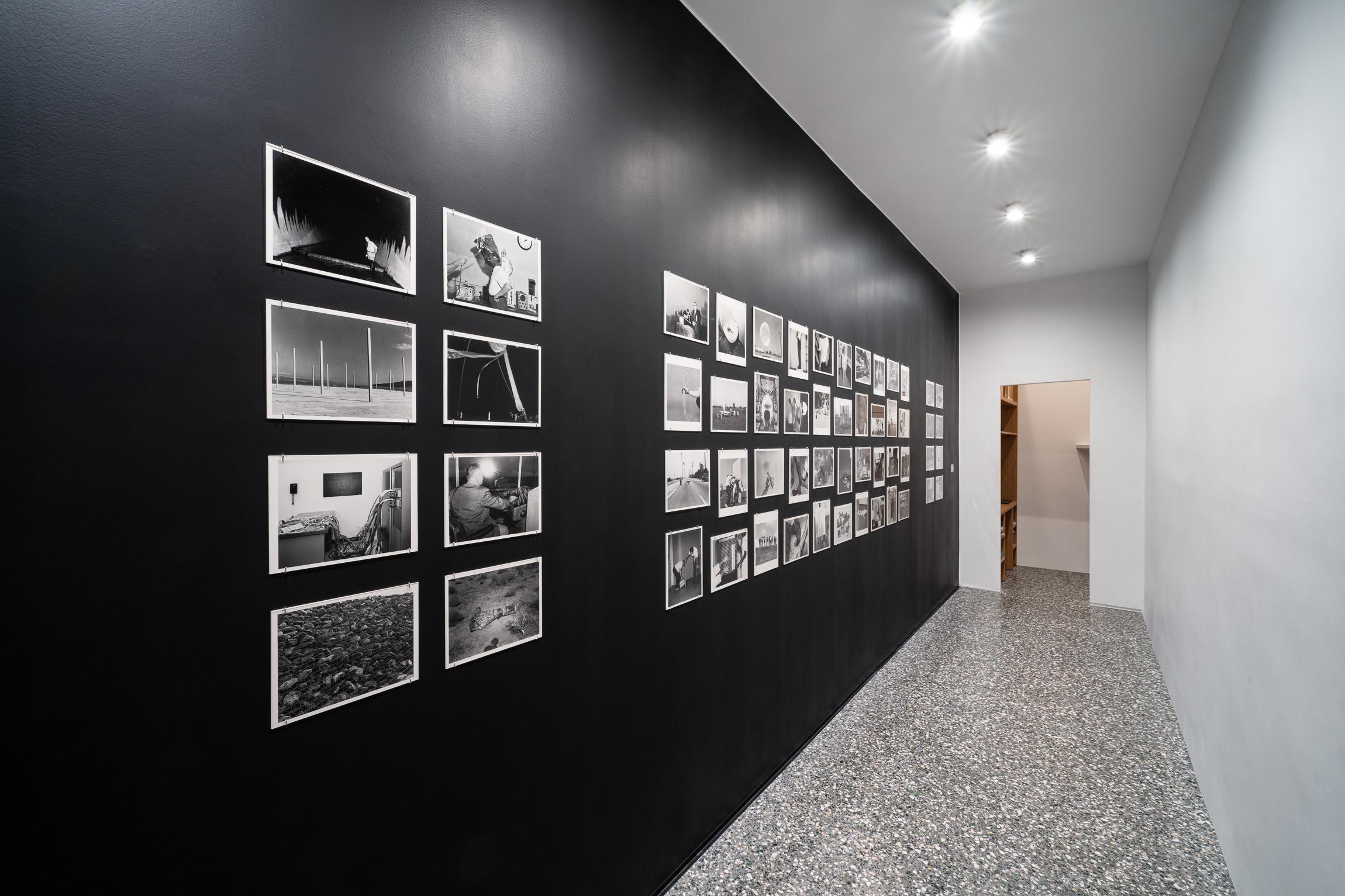
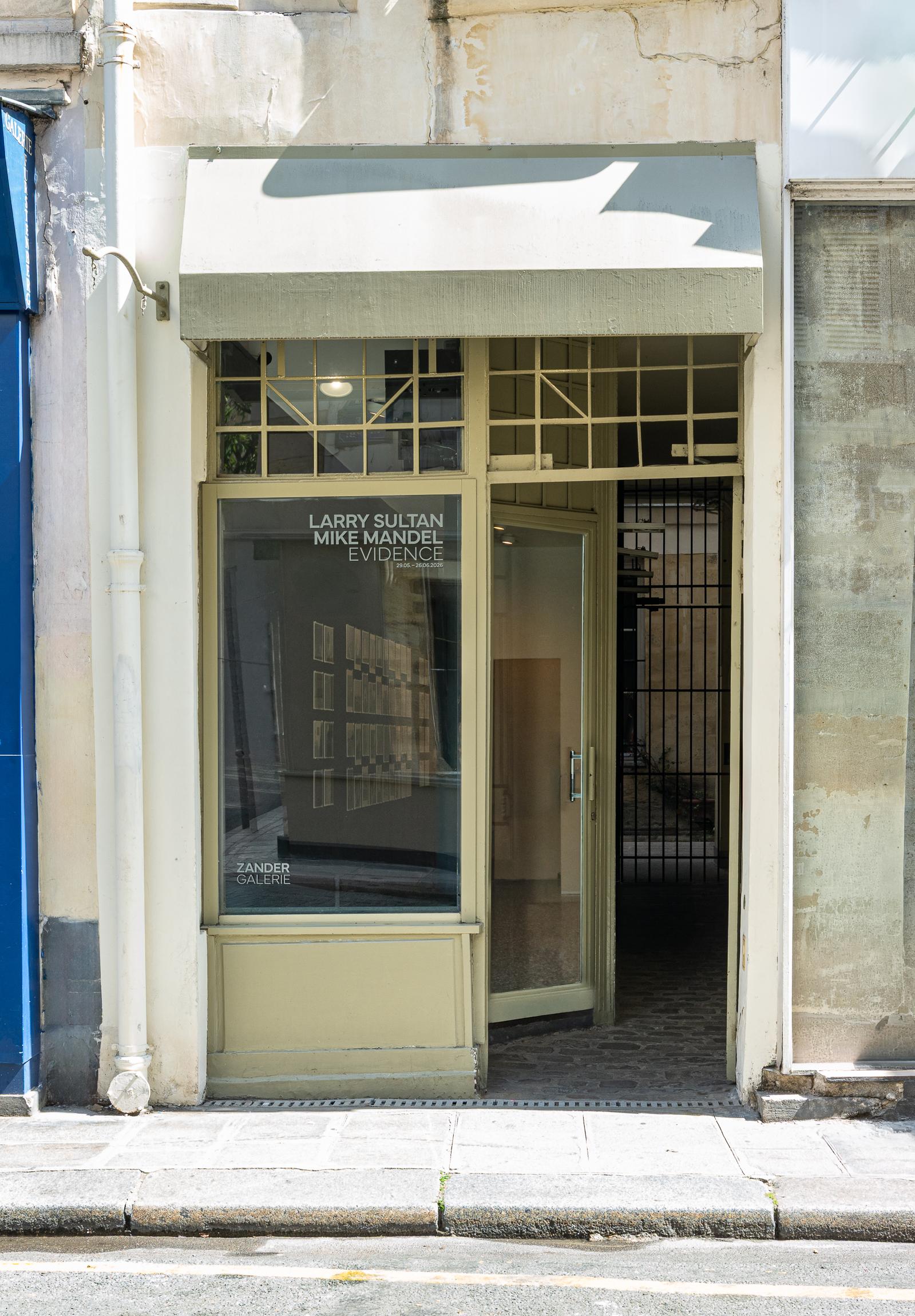
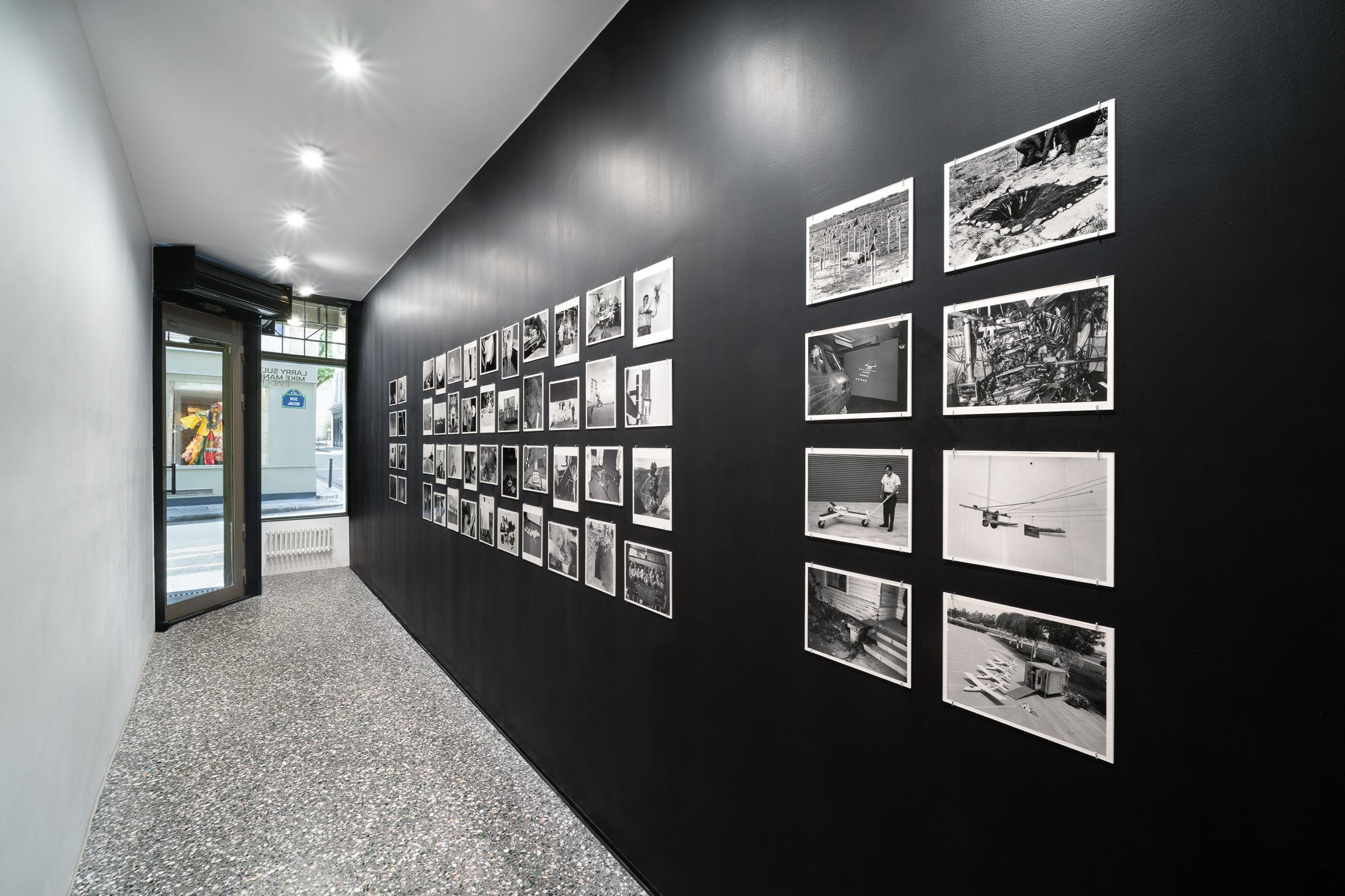
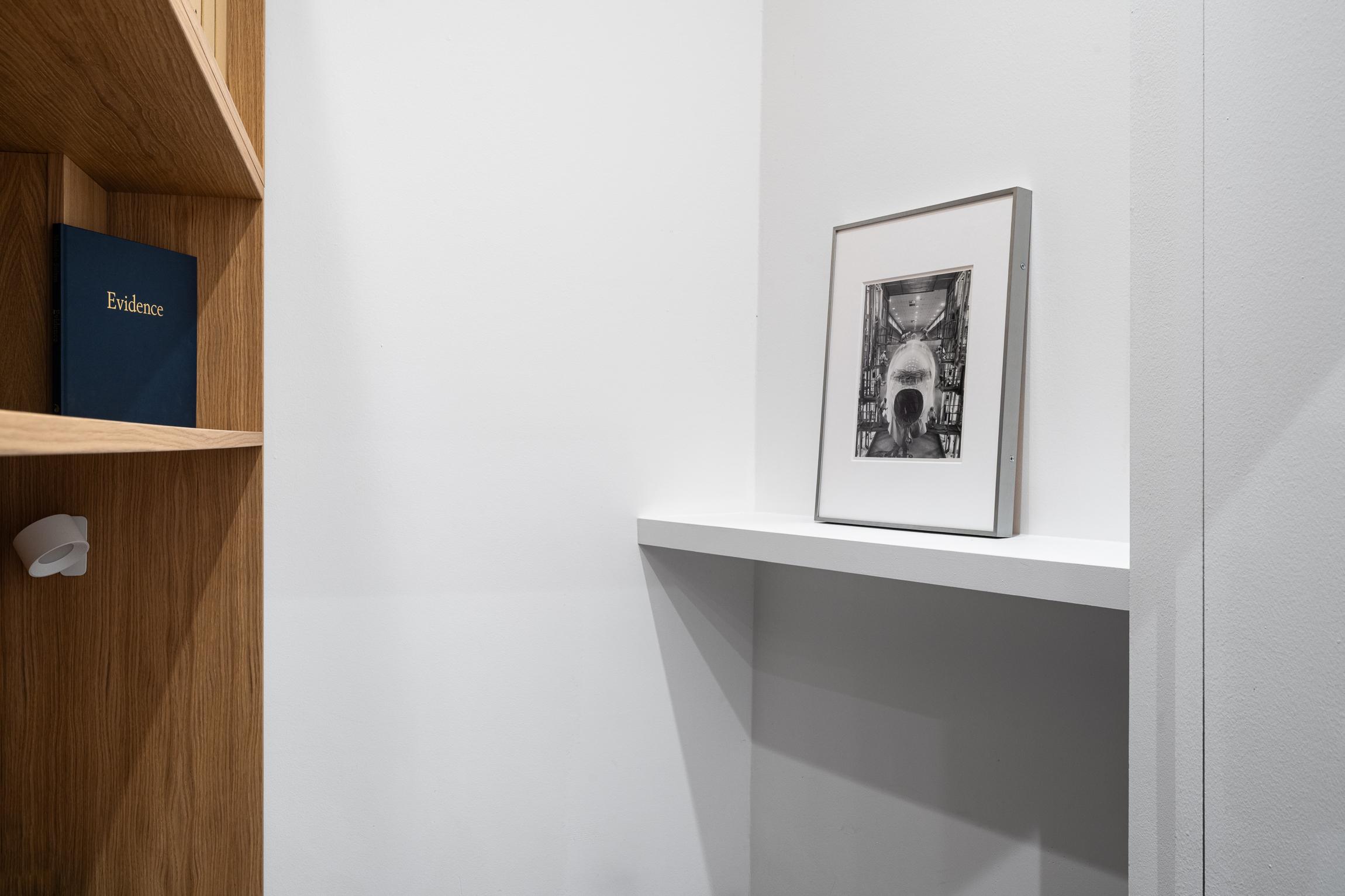
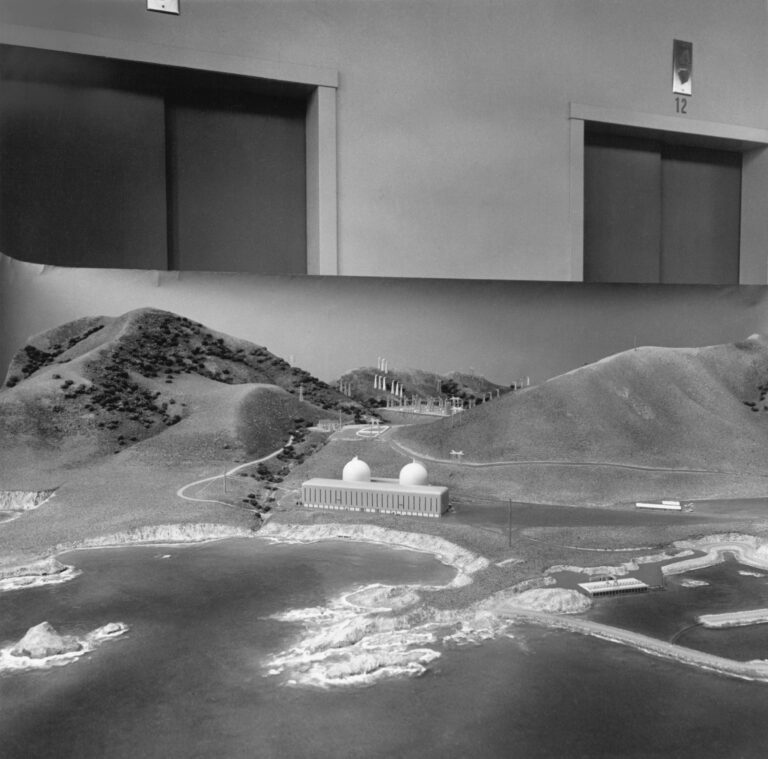
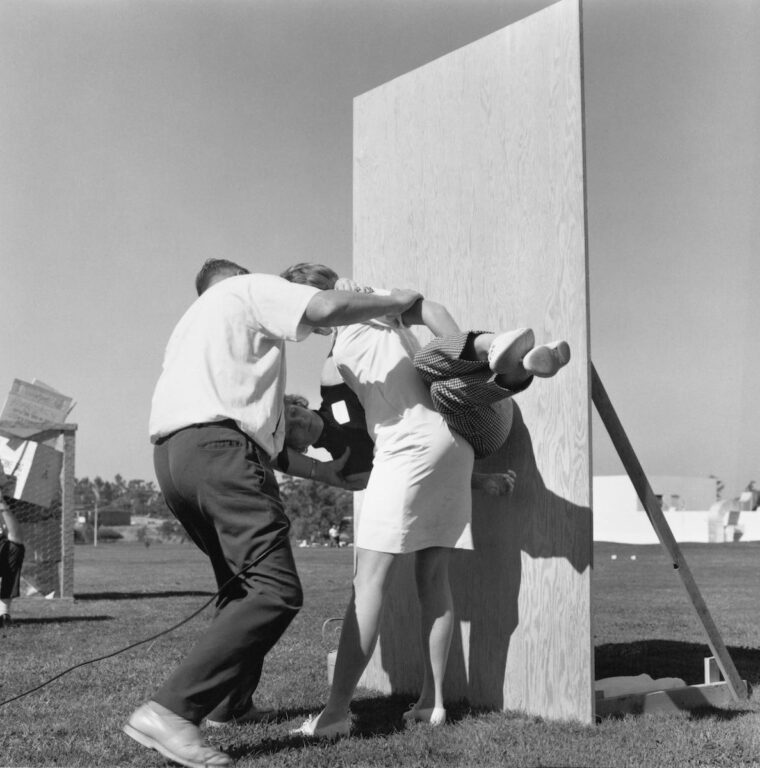
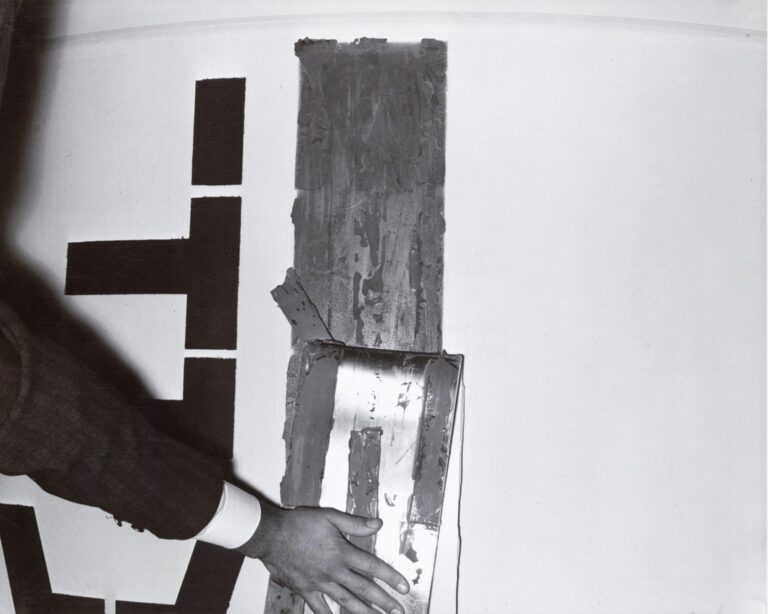
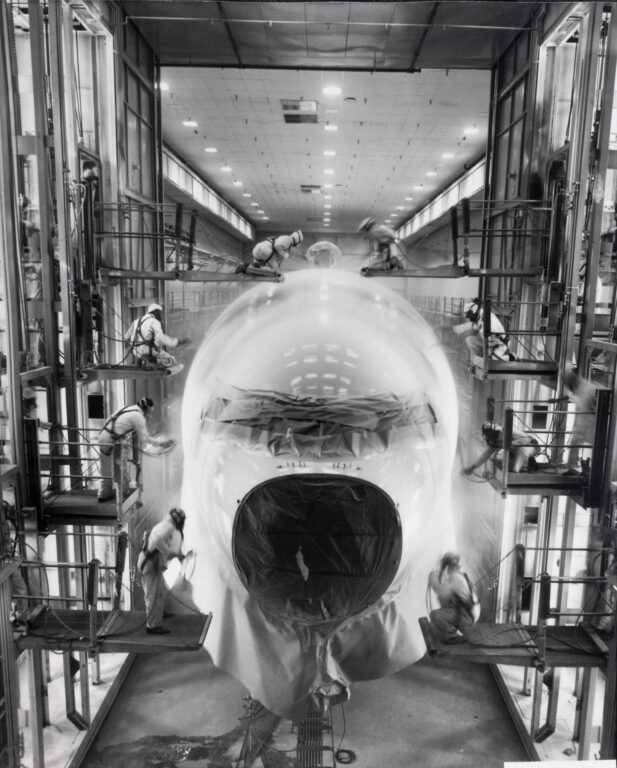
Zander Galerie Paris is pleased to announce an upcoming exhibition showcasing a selection of fifty-six photographs from Evidence, the groundbreaking photographic project by Larry Sultan and Mike Mandel. First exhibited and published in 1977, this seminal body of work fundamentally challenges the conventions of photography by presenting images without captions or contextual information, inviting viewers to question how meaning is constructed and perceived.
Larry Sultan (1946–2009) and Mike Mandel (b. 1950) met at the San Francisco Art Institute and began their collaboration in 1973, at a time when conceptual art was redefining the role of photography. Their earlier projects, including Billboards (1973–89) and How to Read Music in One Evening (1974), already explored the circulation and framing of images within public and media spaces. Both artists were raised in the San Fernando Valley of Los Angeles, a region shaped by postwar suburban expansion, aerospace industries, and corporate research culture promoting visions of technological progress. This shared environment influenced their critical approach to systems of image production and institutional authority.
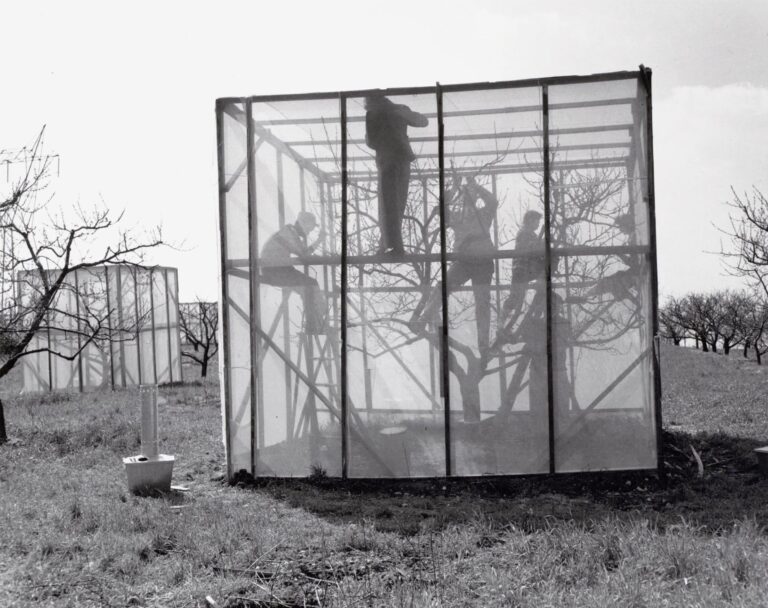
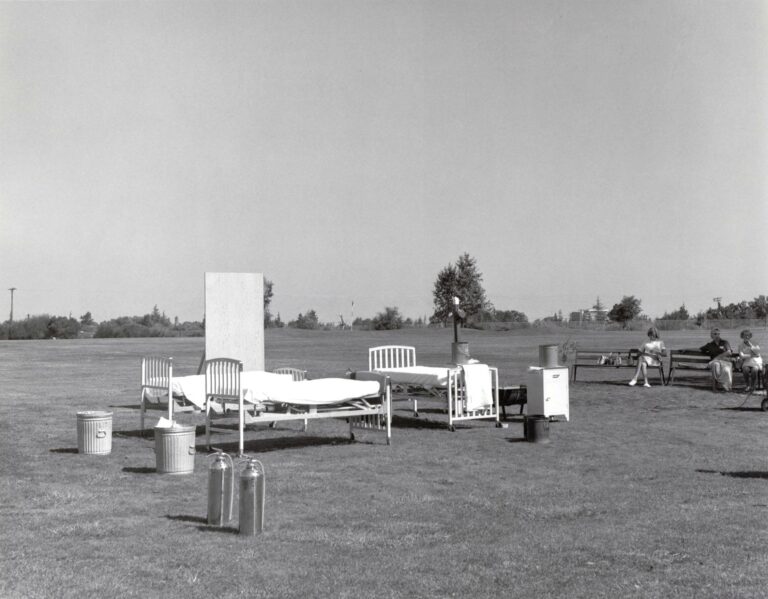
Developed between 1975 and 1977 with the support of a National Endowment for the Arts grant, Evidence is the result of an extensive research project during which Sultan and Mandel accessed photographic archives from corporations, government agencies, and scientific institutions across the United States. They reviewed more than two million images originally produced for technical or documentary purposes, from which they selected and sequenced seventy-nine photographs for the exhibition, of which fifty-nine were reproduced in the accompanying book. First presented in 1977 at the San Francisco Museum of Modern Art and published the same year, the photographs are presented without captions or contextual information. Removed from their original function, they become ambiguous and often disconcerting, oscillating between the absurd and the inexplicable, and at times suggesting a latent tension between technological progress and its unintended consequences. Deprived of interpretive frameworks, viewers are compelled to construct meaning. As Carter Ratcliff noted in his essay “Confronting Evidence” (2009), the work engages viewers in a process of speculation, thereby highlighting the very act of interpretation. In doing so, Evidence challenges the authority of documentary imagery and calls into question photography’s capacity to convey stable or objective truth.
Widely regarded as a pioneering work in its use of vernacular photography, Evidence marked a turning point in the history of the medium. Its radical removal of textual guidance sparked critical debate and opened new ways of engaging with images. The project has had a lasting influence on subsequent generations of artists and has been the subject of numerous exhibitions. A facsimile edition of the original publication was released in 2003 by D.A.P., including additional material and an essay by Sandra S. Phillips, further cementing the work’s enduring significance.